

The Corner Beam quilt block unit is a sophisticated geometric component that adds a sense of movement and radiation to any quilt design. Frequently utilized in complex star patterns and kaleidoscope-style layouts, this unit features a central “beam” or kite-shaped wedge flanked by two contrasting side triangles. While it may appear intricate, mastering this block allows quilters to move beyond standard squares and rectangles, opening up a world of sharp points and dynamic visual energy.
To achieve the best results with this specific unit, precision in cutting and seam allowance is paramount. Maria from Scissortail Quilting provides a comprehensive approach that simplifies the construction process, ensuring that your points remain crisp even after the unit is sewn into a larger block. Whether you are aiming for a traditional aesthetic or a sharp, modern look, the Corner Beam serves as a foundational skill that elevates the overall professional finish of your patchwork projects.
Corner Beam Quilt Block
One of the most compelling reasons to incorporate this unit into your repertoire is its incredible versatility. When several Corner Beam units are grouped together, they can form secondary patterns such as circular illusions or exploding stars. This unit is often a superior alternative to standard half-square triangles when you want to create a more elongated, dramatic point. If you have explored other geometric favorites like the Flying Geese Quilt Block, you will find that the Corner Beam offers a similar structural logic but with a more unique, asymmetrical flair.
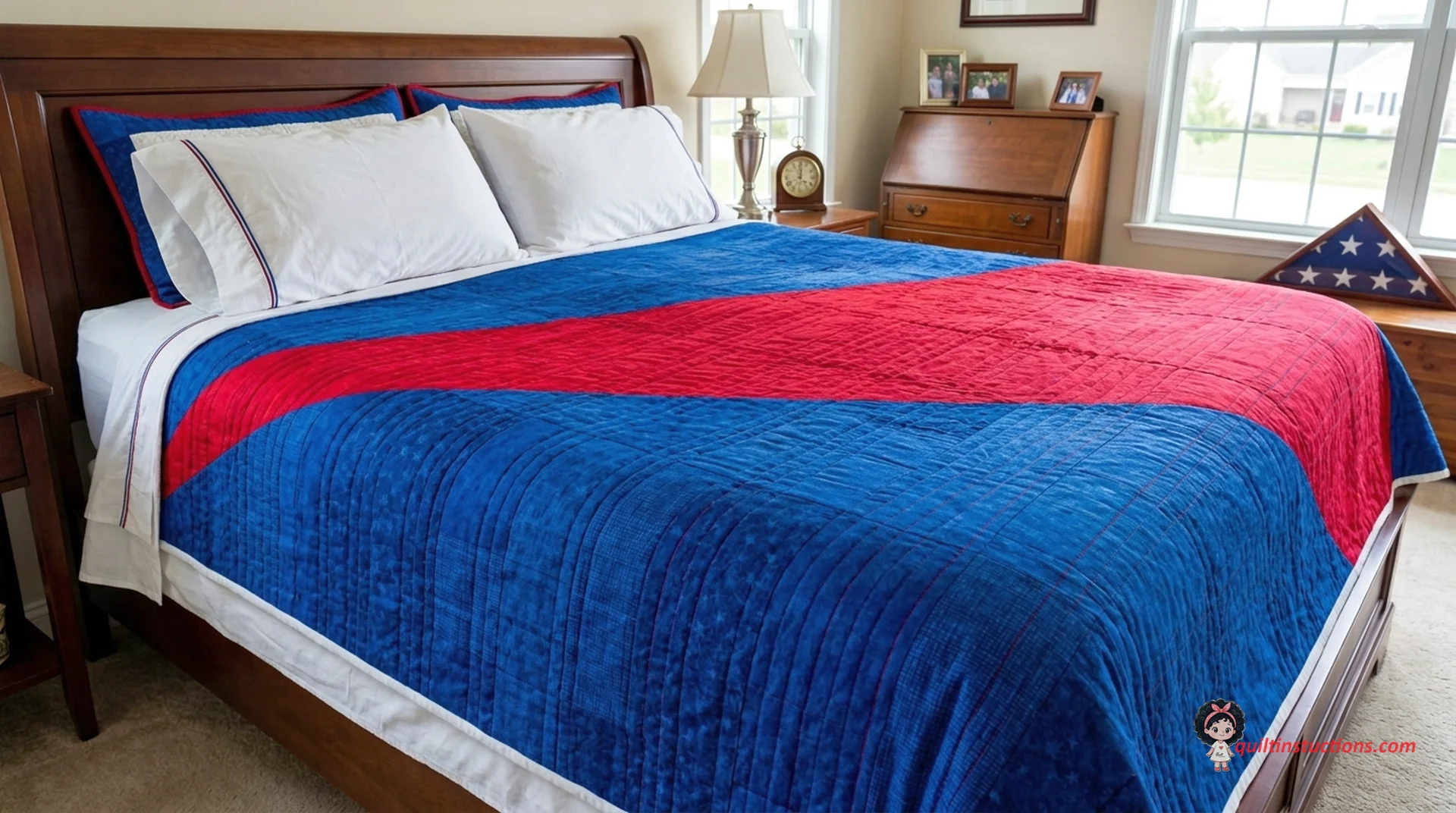
Construction usually involves using specific paper templates or acrylic rulers to ensure the angles are exact. Because the side triangles are often cut from oversized pieces and then trimmed down, this method is very forgiving for quilters who struggle with “blunted” points. By following a structured tutorial, you can learn to manage the bias edges effectively, preventing the fabric from stretching and distorting during the assembly of your Quilt Block Library collection.
The visual impact of this unit is perfectly demonstrated in the image above, where the high contrast between the cool blue and the crisp white highlights the sharp geometry. From an expert’s perspective, this combination is ideal for a nautical-themed quilt or a refreshing guest room throw. Notice how the central beam draws the eye toward the corner, making it a fantastic choice for border accents or the outer points of a large-scale star. This specific color palette feels timeless and would look exceptionally sophisticated draped over a light gray sofa or used as a centerpiece for a summer cottage bed.
Essential Materials and Preparation
Before you begin sewing, it is important to select fabrics that offer enough contrast to make the “beam” stand out. If the fabrics are too similar in value, the distinct shape of the unit will be lost. Many quilters prefer using a solid or a “read-as-solid” print for the side triangles and a bold, patterned fabric for the center beam. This technique mimics the look of a spotlight or a ray of sun, giving your quilt a luminous quality.
You will also need a high-quality rotary cutter and a specialized template. While some quilters attempt to free-hand these angles, using the official PDF template is the only way to ensure your units will nest perfectly with other blocks. If you are a fan of precision piecing, you might also enjoy learning about the Half Square Triangle Guide to see how different angular units can complement each other in a single quilt top.
Where to Buy FabricsTo find the perfect high-contrast prints for your project, we recommend checking out these reliable retailers:
Step-by-Step Construction Tips
The sewing process for a Corner Beam is unique because you are attaching two triangles to a center wedge. The most critical step is the alignment of the first side triangle. You must ensure there is a small “dog ear” or overlap at the top so that when the seam is pressed open, the edge of the triangle aligns perfectly with the top of the beam. This maintains the necessary 1/4 inch seam allowance at the point, preventing you from losing the tip when the block is joined to others.
Pressing is the next vital component. For this unit, pressing toward the side triangles generally produces the flattest results and reduces bulk at the point of the beam. If you are integrating this into a more complex project like Foundation Paper Piecing for Beginners, you will appreciate how these flat seams make the final quilting process much smoother, especially if you are working on a domestic sewing machine.
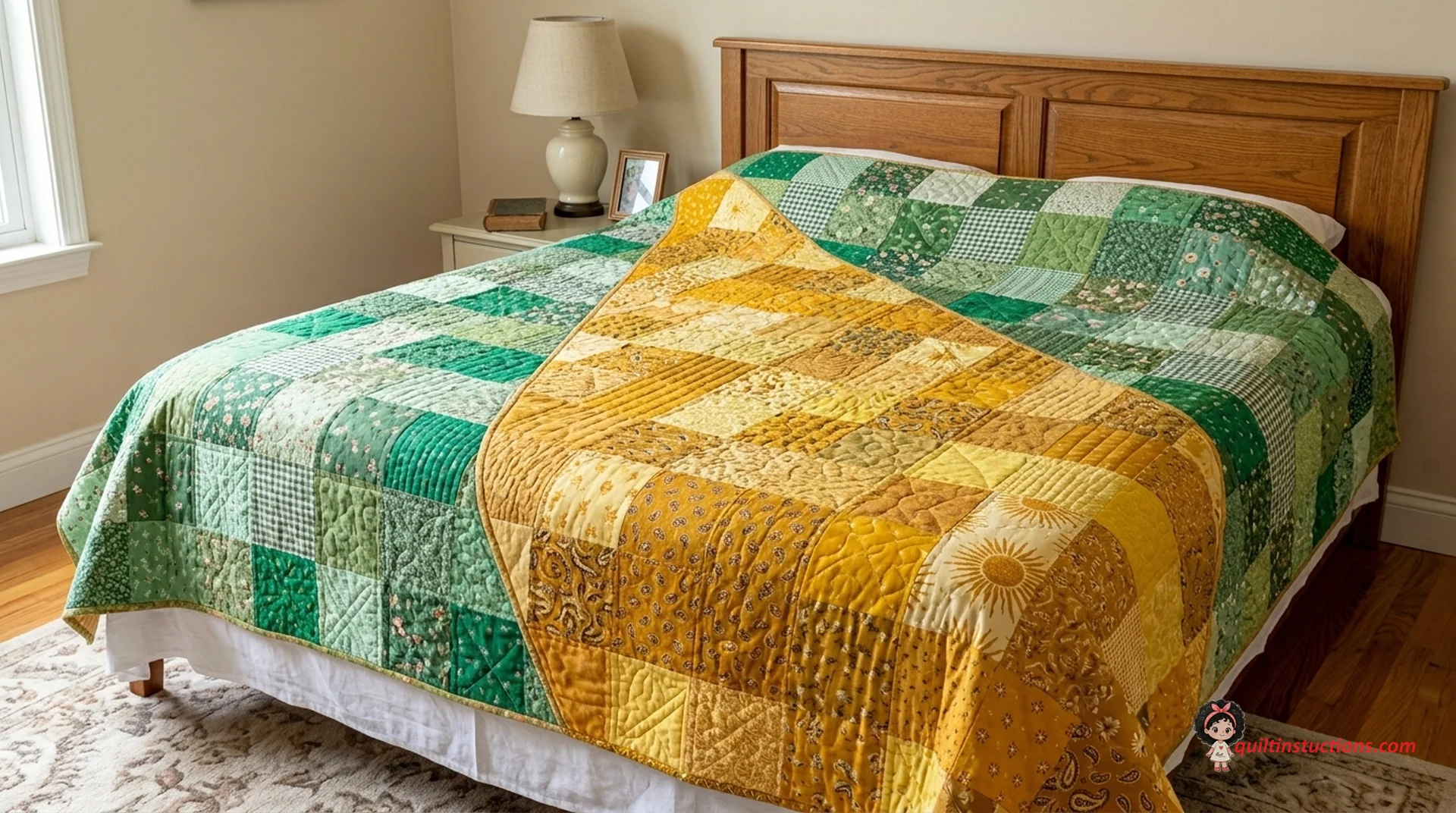
In the image above, we see how the individual units come together to form a larger, more intricate design. The use of varied prints within the same color family adds a “scrappy” yet intentional feel to the work. As a stylist, I find this approach particularly effective for creating a cozy, lived-in look. This block arrangement would be a stunning choice for a farmhouse-style kitchen as a decorative wall hanging or a set of sophisticated quilted placemats. The way the points converge creates a focal point that feels both energetic and orderly.
Expert Tips for Success
- Use a Scant 1/4″ Seam: This compensates for the fold of the fabric and ensures your finished unit is the exact size required.
- Starch is Your Friend: Since you are working with bias edges, applying a light starch before cutting will keep the fabric stable and prevent stretching.
- Trim with Care: Always use a square ruler to trim the final unit. Align the 45-degree line of your ruler with the seam lines to keep everything centered.
Free Pattern and Tutorial Resources
Maria from Scissortail Quilting has generously provided a free PDF template that covers multiple sizes of the Corner Beam unit. This is a fantastic resource for quilters who want to experiment with the block without investing in expensive specialized rulers right away. The template is designed to be printed at 100% scale, allowing you to cut your fabric pieces with total confidence.
In addition to the printed templates, the step-by-step tutorial walks you through the exact placement of each fabric piece. This visual guide is essential for understanding how the offset triangles eventually square up into a perfect unit. If you enjoy this type of clear, structured instruction, you might also find our guide on the Ohio Star Quilt Block helpful, as it frequently uses similar geometric components to create its iconic look.
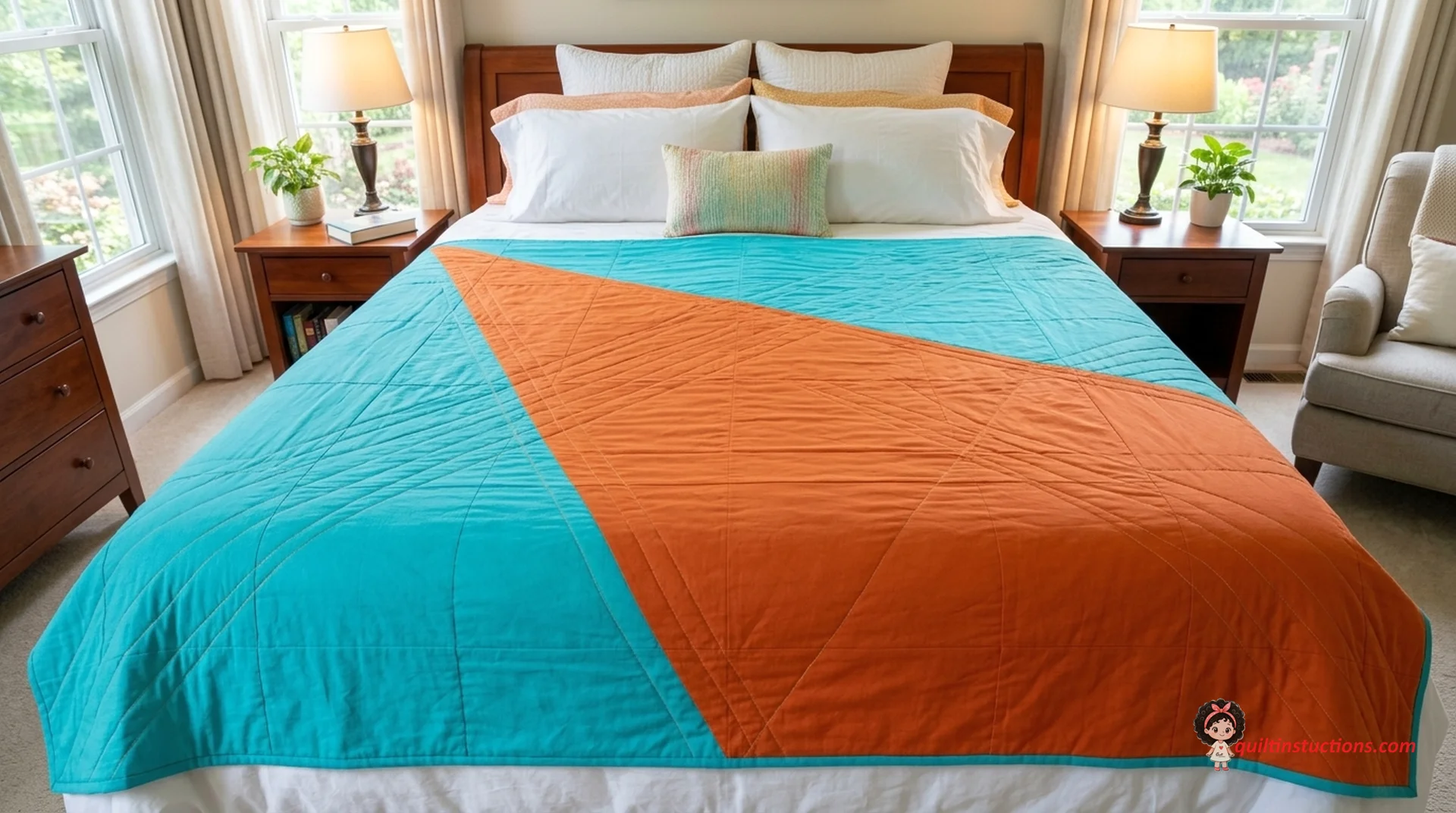
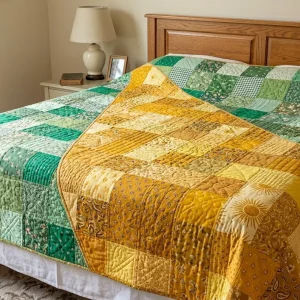
This vibrant version of the block showcased above demonstrates how a pop of color can completely transform the design’s mood. The warm, sun-drenched tones suggest a cheerful, optimistic energy. I would personally recommend this palette for a baby quilt or a bright spring table runner. The contrast between the warm center and the neutral background makes the “beam” appear as if it is truly glowing. It is a perfect example of how simple color theory can turn a basic geometric unit into a piece of textile art.
Frequently Asked Questions
What is the difference between a Corner Beam and a V-Block?
While they look similar, a V-Block (or Sidekick unit) usually has the “point” centered on one side of the square, whereas the Corner Beam specifically radiates from one of the four corners of the unit. This makes the Corner Beam ideal for creating star points that “explode” from the center of a block.
Do I need a special ruler for this block?
No, you do not need one, as the free PDF template provided by Scissortail Quilting works perfectly. However, if you plan on making a king-sized quilt with hundreds of these units, an acrylic ruler like the Studio 180 Design Corner Beam tool can speed up the cutting and trimming process significantly.
Can I use this unit for scrap quilting?
Absolutely! The Corner Beam is a “scrap-friendly” unit. You can use small pieces for the side triangles and slightly larger strips for the center beams. It is a wonderful way to use up those leftover 2.5-inch or 3.5-inch strips from previous projects.

About the DesignerMaria is the creative force behind Scissortail Quilting, a resource dedicated to providing clear, accessible, and mathematically accurate quilt block tutorials. With a passion for the “Quilt Block Library” concept, she helps quilters of all levels build their skills one unit at a time. Her designs often bridge the gap between traditional techniques and modern efficiency.
Connect with fellow quilters and share your finished Corner Beam projects in these wonderful groups:





Incorporating the Corner Beam unit into your quilting repertoire is a rewarding way to challenge your precision and expand your design possibilities. By focusing on accurate cutting and careful pressing, you can create stunning, professional-grade quilts that feature sharp, clean lines. We hope this guide and the provided resources from Scissortail Quilting inspire you to start your next geometric masterpiece today. Happy sewing!