
The Creative Log Cabin Quilt is a versatile project that breathes new life into one of history’s most beloved designs through unique layouts and modern fabric choices. This approach allows quilters to move beyond traditional grids, experimenting with color placement and block orientation to create a dynamic visual impact. By adjusting the sequence of light and dark strips, you can transform a simple block into a sophisticated masterpiece that feels both nostalgic and contemporary.
Whether you are a beginner or an experienced sewist, this design provides a clean, foundational block that serves as the building block for countless creative variations. This specific pattern, provided by the American Patchwork & Quilting Editors, focuses on precision strip piecing to ensure that each “log” aligns perfectly around the central square. By mastering this foundational technique, you can explore diverse layouts like the Barn Raising or Sunshine and Shadows styles to suit your personal aesthetic.
Creative Log Cabin Quilt
The beauty of a log cabin design lies in its rhythmic construction and the infinite ways the blocks can be rotated to form new patterns. When you work on a Creative Log Cabin Quilt, you are essentially painting with fabric, using the contrast between your chosen strips to guide the viewer’s eye across the surface. This particular version encourages a thoughtful selection of values, ensuring that the “hearth” or center square remains a focal point while the surrounding logs build outward in a balanced progression.
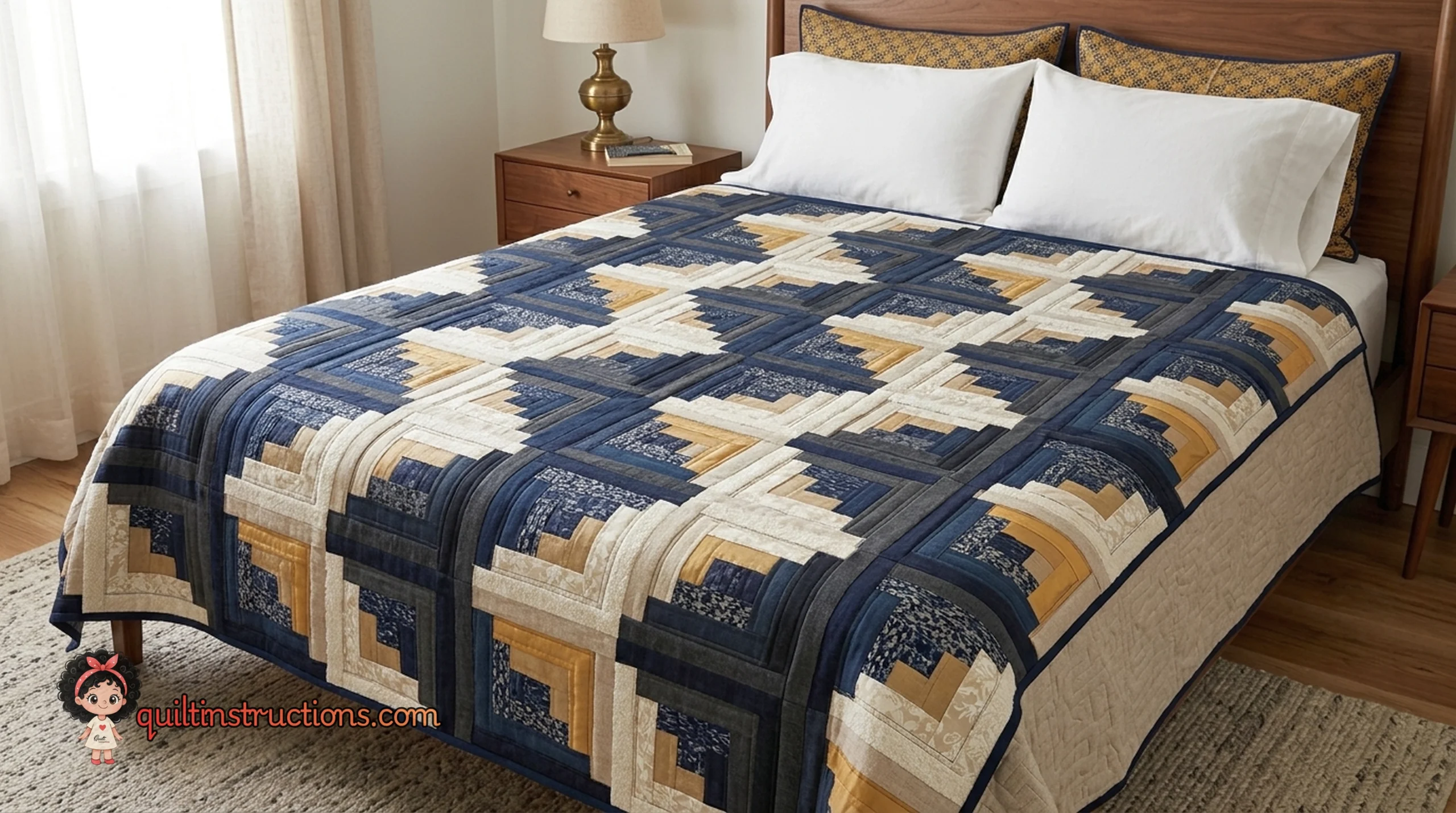
In this variation, the interplay of warm neutrals and cool accents creates a sophisticated palette that would look stunning draped over a leather armchair or a minimalist sofa. As a professional quilter, I find that the use of low-volume prints for the “light” side of the block adds a layer of texture that solids simply cannot replicate. This combination makes the quilt feel airy and spacious, making it an ideal choice for a bright, sun-drenched bedroom where the intricate stitching can truly shine.
Redefining the Traditional Block
Traditional log cabin blocks often use a red center to represent the hearth of the home, but modern interpretations allow for much more flexibility. You might consider using a bold floral print or a vibrant solid for your center square to set the tone for the entire project. If you are looking for even more ways to expand your skills, exploring a Twisted Log Cabin Pattern can introduce a sense of movement and secondary patterns that are truly captivating.
Precision is the secret to a successful log cabin project, especially as the blocks grow larger. Even a tiny deviation in your seam allowance can result in a block that is bowed or off-center. Experienced makers often recommend using a scant 1/4-inch seam and pressing each strip carefully away from the center to maintain a flat, square finish. This attention to detail ensures that when you finally assemble your quilt blocks into a full top, the seams will nest perfectly and the corners will meet with professional accuracy.
Layout Options and Inspiration
One of the most exciting phases of creating this quilt is the “floor play” session, where you arrange your finished blocks to see which layout resonates most. The standard Log Cabin Quilt Pattern can be organized into diagonal furrows, straight rows, or concentric diamonds. Each choice completely changes the energy of the piece, turning a collection of identical blocks into a unique work of art that reflects your personal style.
If you find yourself with an abundance of leftover strips from previous projects, this design is also incredibly scrap-friendly. Utilizing free scrap quilt patterns alongside the log cabin technique allows for a “controlled chaos” look that is full of character and history. By keeping either the light or dark side consistent with a single background fabric, you can unify a wide variety of colorful scraps into a cohesive and charming heirloom.
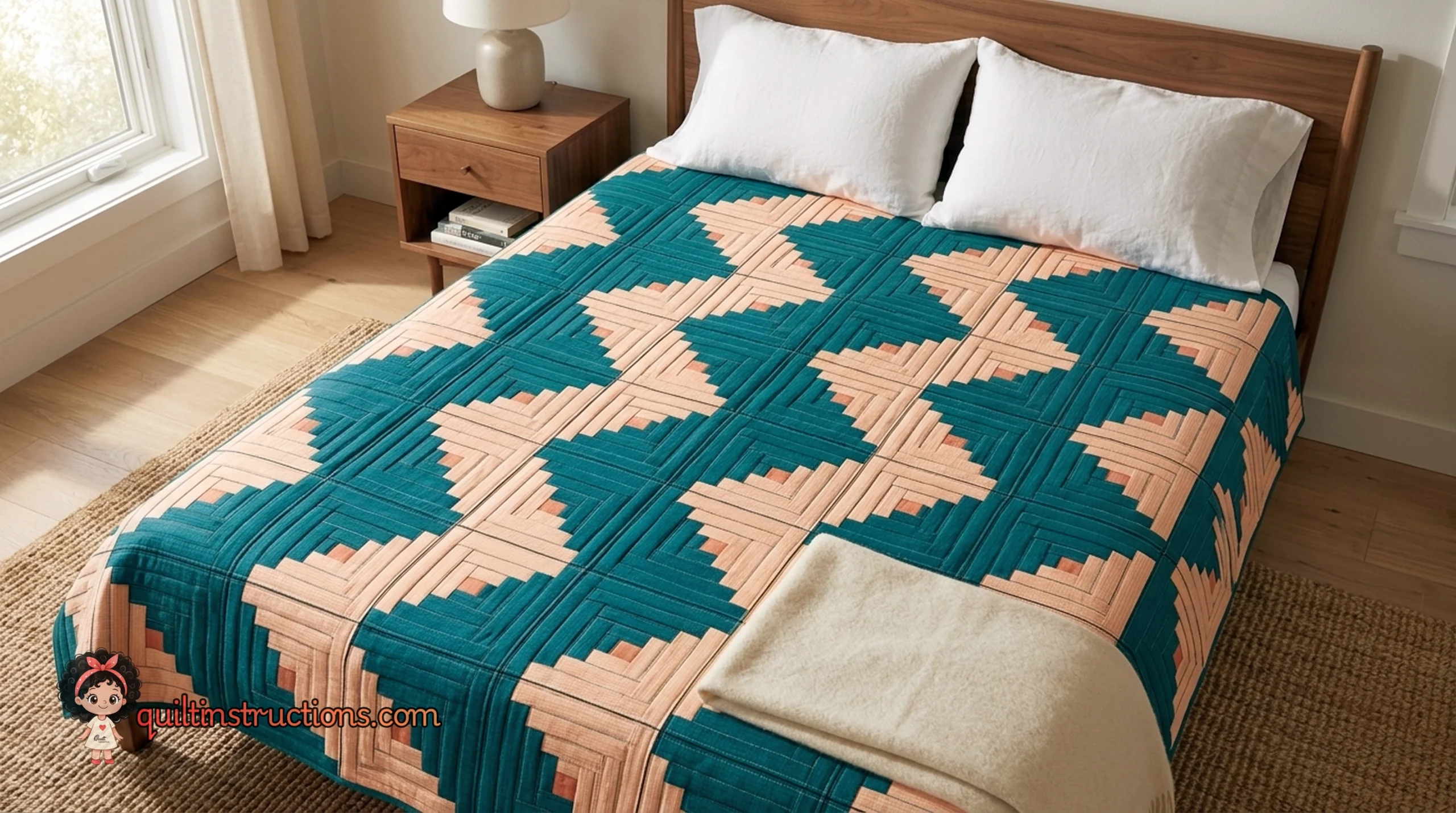
The close-up detail of this block reveals how high-quality quilting thread and consistent stitch length can elevate the final appearance of your work. I particularly love how the geometric lines of the logs contrast with the softer, organic shapes in the fabric prints. This specific layout is perfectly suited for a cozy guest room, offering a warm and inviting atmosphere that makes any visitor feel right at home. The balanced distribution of color makes it a universal piece that transcends seasonal decor trends.
Fabric Selection and Preparation
Before you make your first cut, take the time to starch your fabrics. Since log cabin quilts involve many long, narrow strips, the fabric can easily stretch or distort during the sewing process. Starching provides the stability needed for crisp edges and accurate piecing. If you prefer a faster project with larger pieces, you might also enjoy the simplicity of a Simple Brick Quilt, which uses similar strip-piecing logic but with a different geometric focus.
Choosing your color story is where the “creative” part of the Creative Log Cabin Quilt truly comes to life. You don’t have to stick to the traditional light-versus-dark split; you could experiment with a monochromatic gradient or a complementary color scheme like blue and orange. The key is to ensure there is enough contrast between the two sides of the block so that the iconic “L” shapes remain visible once the quilt is assembled and quilted.
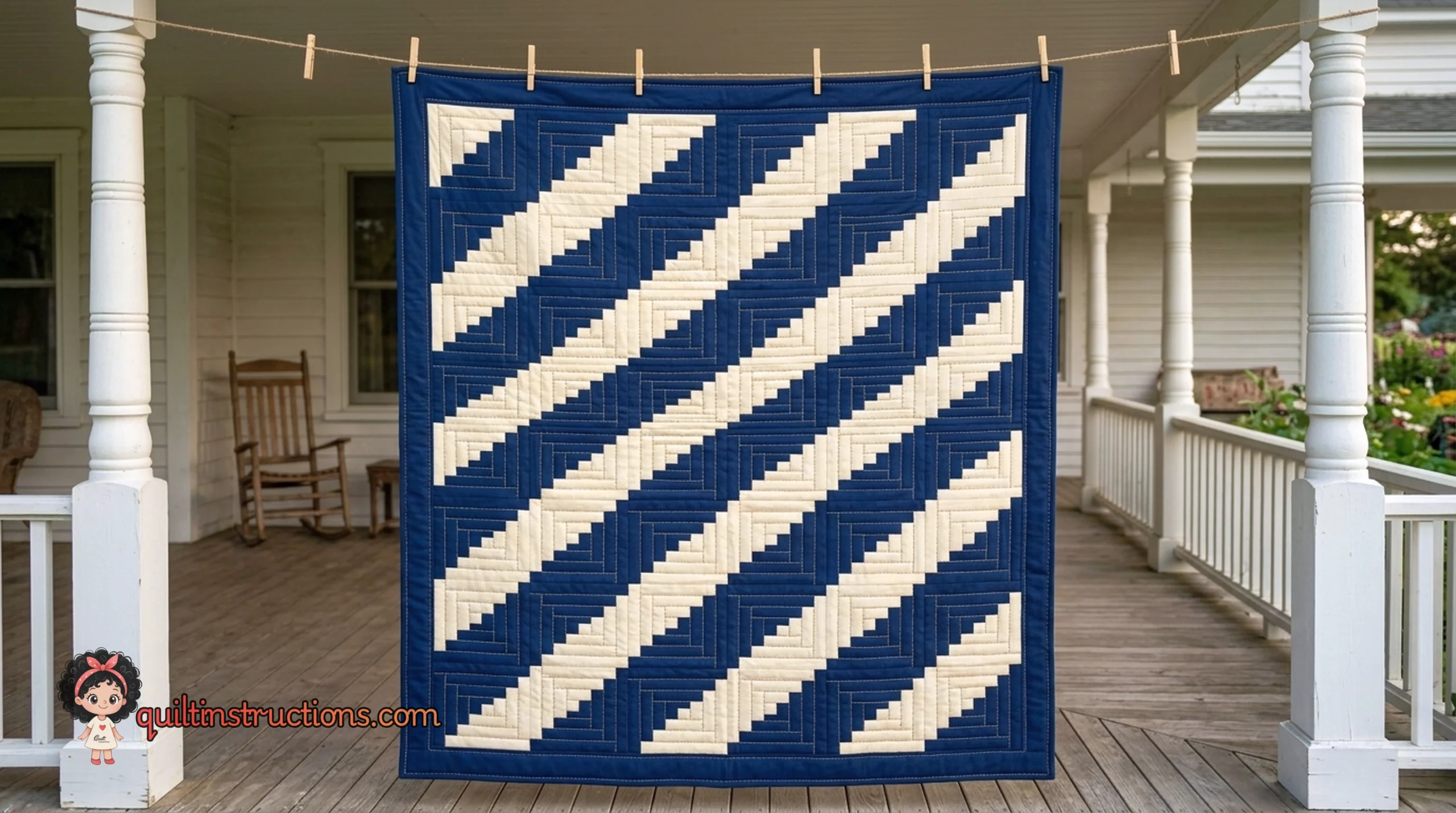
Looking at the full assembly of these blocks, the visual secondary pattern that emerges is truly striking. The way the dark corners meet to form larger squares creates a sense of depth that is hallmark to expert-level quilting. This design is exceptionally suited for year-round use; it feels fresh in the spring when paired with light linens and cozy in the winter when layered with wool blankets. My styling tip would be to use a solid, dark binding to frame the intricate interior work and give the quilt a definitive, modern edge.
Where to Buy FabricsTo achieve the best results, we recommend using high-quality quilting cotton from these trusted retailers:
Frequently Asked Questions
What is the best way to cut strips for a log cabin quilt?
Using a rotary cutter and a non-slip quilting ruler is essential for accuracy. Many quilters find that cutting all their strips for the entire quilt at once (sub-cutting them to the specific lengths required by the pattern) makes the sewing process much faster and more organized.
Can I use a jelly roll for this pattern?
Yes! Log cabin blocks are perfect for 2.5-inch pre-cut strips (jelly rolls). Since the strips are already cut to a uniform width, you only need to focus on trimming them to the correct lengths as you build around the center square.
How do I keep my blocks from becoming “wonky”?
The most common cause of wonky blocks is pushing or pulling the fabric as it goes under the presser foot. Let the feed dogs do the work, and always press (don’t iron) your seams. Pressing down with the iron without sliding it helps prevent the fabric from stretching.
Expert Tips for Success
- Use a Leader: Start your seams on a small scrap of fabric (a “leader”) to prevent the machine from “eating” the corner of your small center square.
- Chain Piecing: If you are making many identical blocks, chain piece the first few logs to save time and thread.
- Check Your Square: Use a square-up ruler after every two rounds of logs to ensure your block is still perfectly square and the correct size.
About the DesignerThe editors at American Patchwork & Quilting are dedicated to providing quilters of all levels with clear, accurate, and inspiring patterns. With decades of experience in the industry, their mission is to preserve the tradition of quilting while embracing modern techniques and styles. You can find more of their work and helpful resources at their official home online.
Join Our Facebook CommunityConnect with fellow quilters, share your progress on this Creative Log Cabin Quilt, and get inspired by others in our friendly groups:
Embracing the Creative Log Cabin Quilt is a journey into the heart of quilting history, reimagined for the modern maker. By focusing on the foundational block provided in this pattern, you open the door to a world of layout possibilities that can fit any home or occasion. Whether you choose a minimalist palette or a vibrant explosion of scraps, the result will be a cherished piece of functional art that showcases both your skill and your unique creative vision. Happy stitching!