
Creating a quilt back block is one of the most effective ways to transform a standard project into a double-sided masterpiece while being incredibly resourceful with your fabric stash. This technique involves inserting a decorative block, or a row of blocks, into the backing of your quilt to add visual interest and provide a functional solution for when you run short on backing yardage. By using leftover scraps from the quilt top, you ensure that the reverse side of your work is just as thoughtfully designed as the front.
This approach is highly favored by modern quilters who appreciate the efficiency of scrap management and the creative challenge of a “bonus” design. Whether you are using a single oversized block or a series of smaller units like Flying Geese, incorporating a block into the back allows you to personalize the piece even further. It effectively eliminates the need for expensive wide-back fabrics and gives you a wonderful opportunity to practice precision piecing on a smaller, less intimidating scale.
Quilt Back Block
The beauty of the “Back with a Block” concept, popularized by designers like Cath from Wombat Quilts, lies in its versatility. You are not restricted by traditional rules; instead, you can let the remaining fabrics from your free scrap quilt patterns dictate the flow of the design. Often, a quilter will find themselves just a few inches short of the required backing width, and rather than buying another yard of fabric, they can bridge that gap with a striking vertical or horizontal column of blocks.
This technique is particularly useful when working with geometric components. For instance, if your main quilt top features sharp angles, continuing that theme on the back creates a cohesive look. You might consider using units from an Amish Star quilt block or similar star variants to keep the energy consistent across both sides. It turns a potential frustration—running out of fabric—into a deliberate and sophisticated design choice.
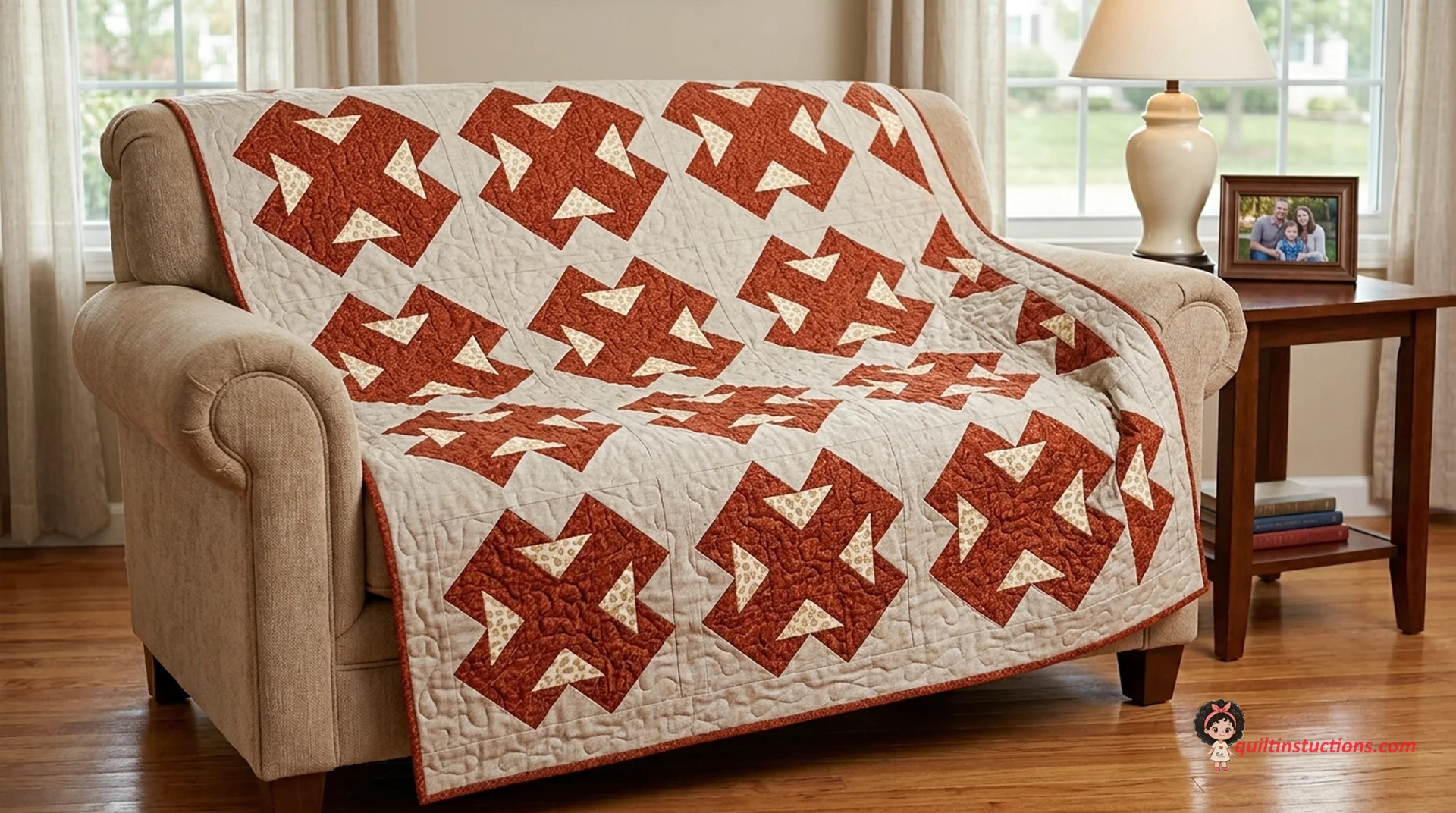
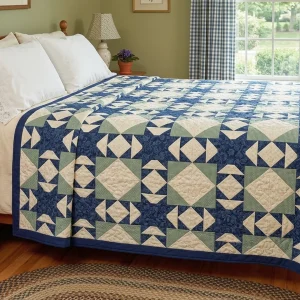
The image above perfectly illustrates how high-contrast fabrics can make a quilt back truly pop. Notice how the bright, warm tones are balanced by cooler neutrals, creating a focal point that draws the eye without overwhelming the overall aesthetic. This specific arrangement would look stunning on a contemporary throw quilt draped over a neutral-colored sofa, where the back is just as likely to be seen as the front.
Choosing the Right Components for Your Backing
When deciding which blocks to use for your backing, consider the skill level and the time you have available. Many quilters opt for the classic Flying Geese unit because it is fast to assemble and offers excellent directional movement. If you have already mastered the Night Vision quilt block, you know how these units can be stacked to create a sense of rhythm.
Using a simplified version of your front blocks is another great strategy. It provides a subtle echo of the main design without requiring the same level of complex piecing. This is an excellent way to use up those “orphan blocks”—the ones that didn’t quite make it into the final quilt top or were made as tests for color and size. Instead of letting them sit in a drawer, they become the star of the reverse side.
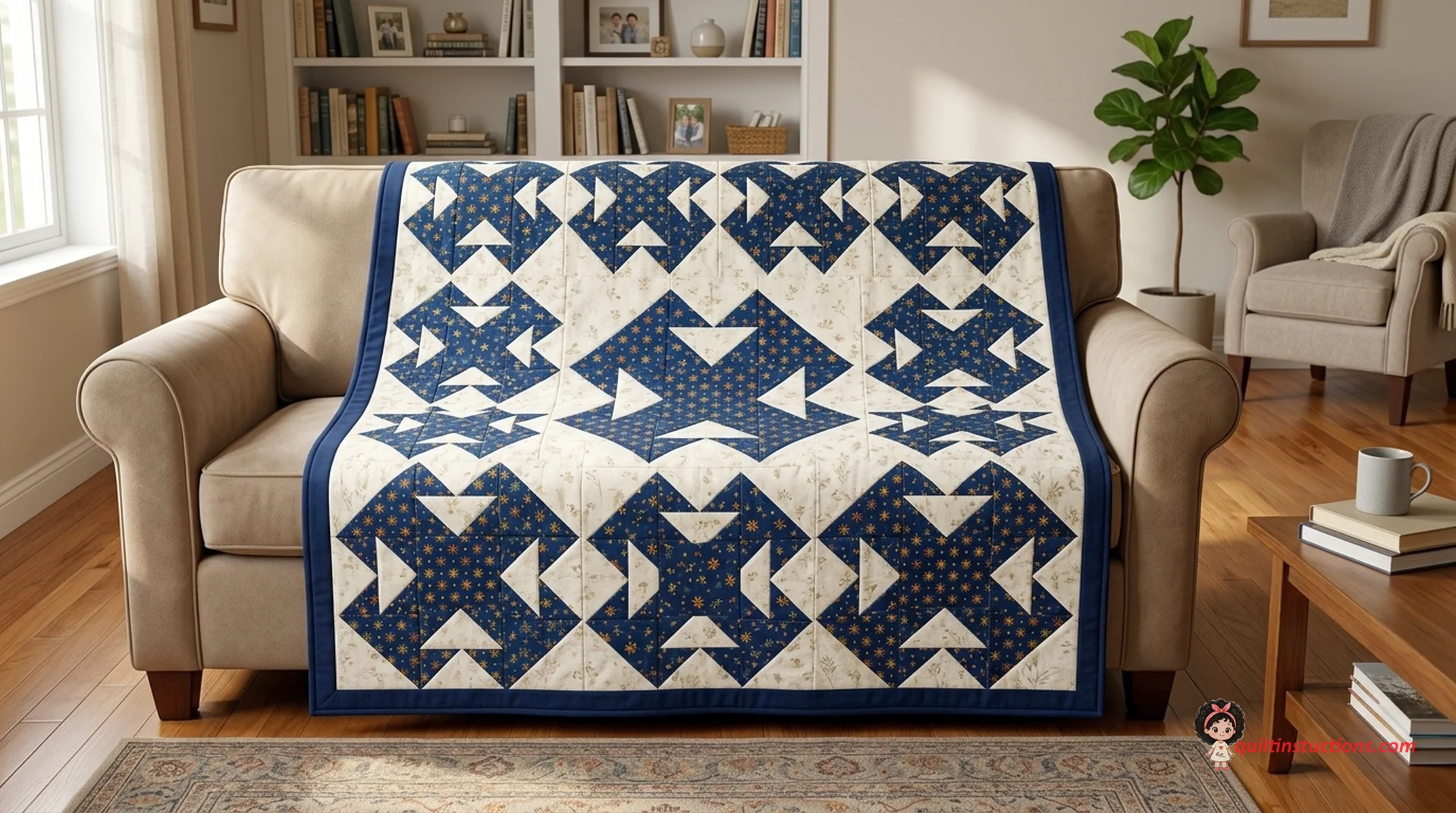
In this detailed view, we can see how the quilting stitches interact with the pieced blocks. The texture created by the long-arm or domestic machine quilting adds a whole new dimension to the flat fabric. I personally love how this style works for universal year-round use; it is sturdy enough for daily snuggling but refined enough to serve as a piece of textile art in a bedroom setting.
Technical Considerations for Backing Alignment
One of the few challenges with a quilt back block is alignment. If you are sending your quilt to a long-arm quilter, remember that centering a back block perfectly can be difficult. Most professionals suggest an “offset” or asymmetrical placement. Placing your block row slightly to one side or off-center looks intentional and modern, whereas a slightly-off-center “centered” block can look like a mistake.
If you are quilting at home, you have more control over the placement. You can baste your layers carefully to ensure the block sits exactly where you want it. This is a great time to browse through 100 modern quilt patterns for inspiration on asymmetrical layouts that embrace negative space. A single, bold column of color against a wide, neutral backing fabric is a classic look that never goes out of style.
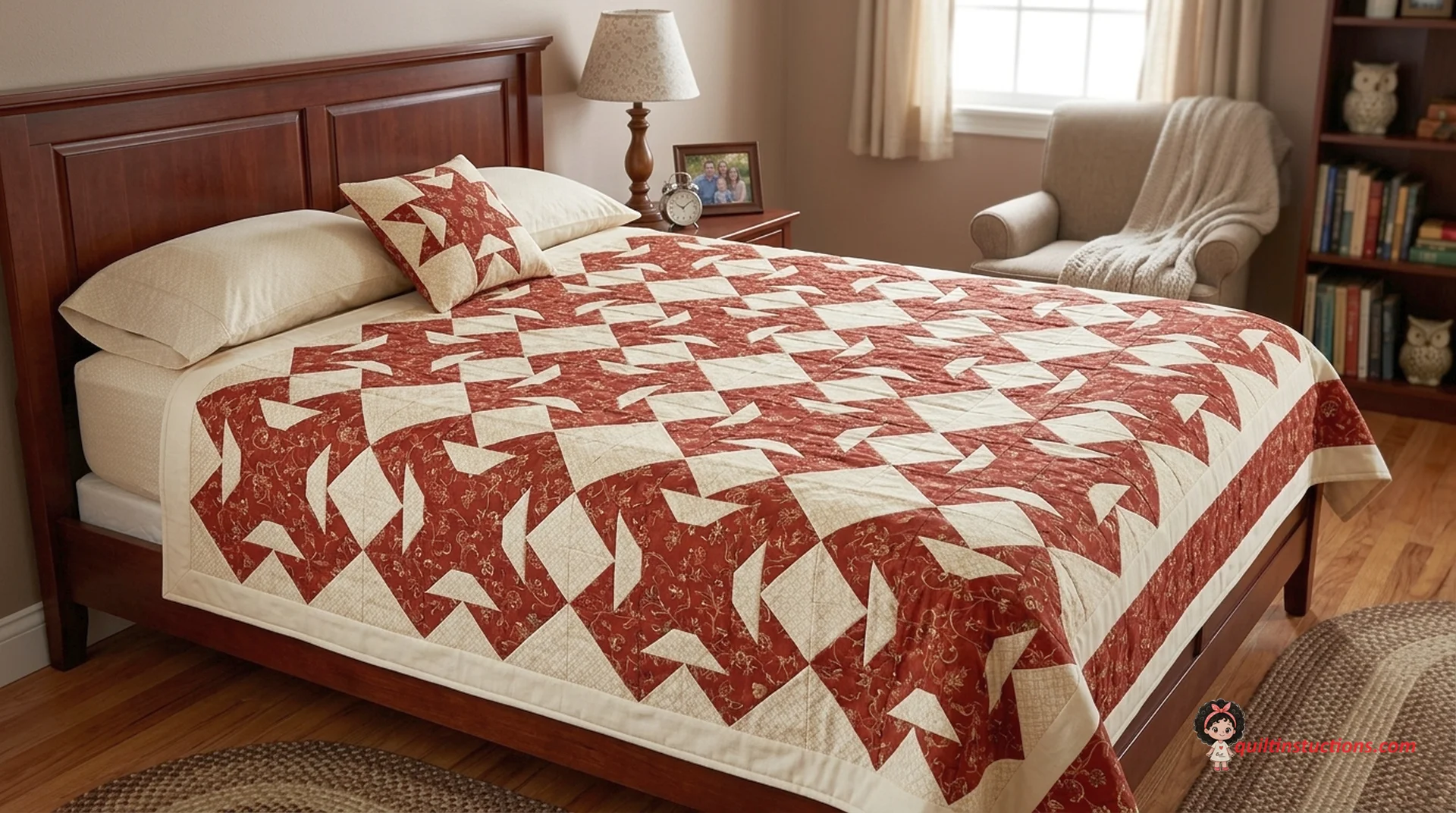
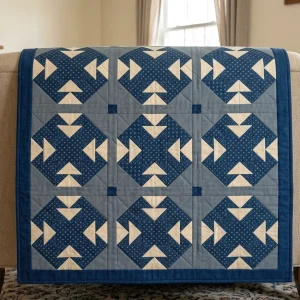
This full view demonstrates the power of the vertical insert. By using a variety of prints in a cohesive color family, the quilter has created a storied, lived-in look. This type of backing is ideal for a cozy bed quilt, as it allows you to fold over the top edge to reveal a hint of the beautiful design hidden underneath. The blend of patterns and solids here is masterfully executed.
Expert Tips for Success:
- Use a Scant 1/4 Inch Seam: Precision is key when your back block needs to match the overall dimensions of your backing fabric.
- Starch is Your Friend: Lightly starching your scraps before cutting will prevent stretching, especially if you are working with bias edges in Flying Geese.
- Press Seams Open: To reduce bulk for the quilting process, consider pressing your backing seams open rather than to one side.
- Check for Squaring: Always square up your completed back block before joining it to the larger pieces of backing fabric.
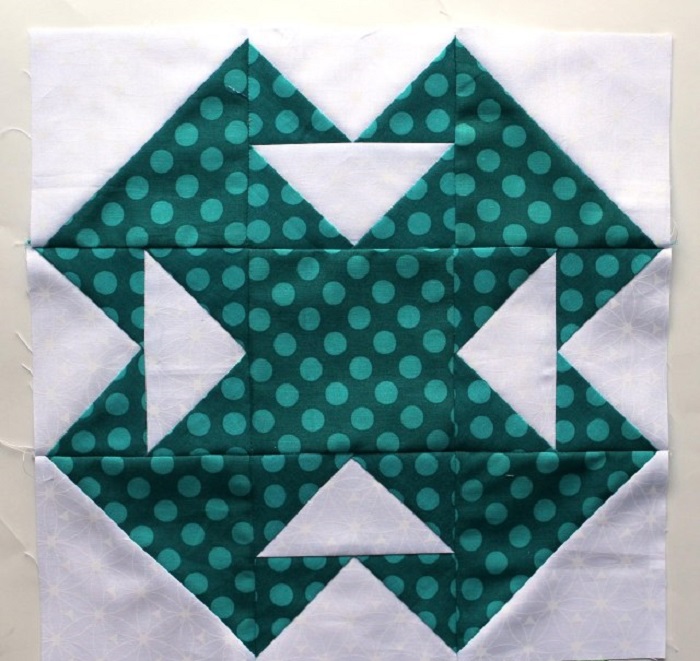
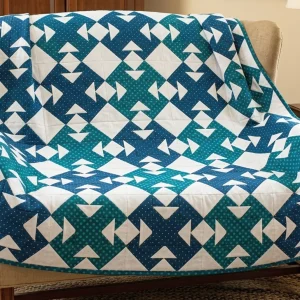
This final image shows the original block design by Cath from Wombat Quilts. The use of vibrant, saturated colors against a clean white background is her signature style. It is a fantastic example of how a simple geometric repetition can become a stunning secondary pattern. I highly recommend this approach for special occasion quilts where you want every square inch of the gift to feel precious and handcrafted.
When adding a block to your backing, always ensure the final backing dimensions are at least 4 to 8 inches larger than your quilt top on all sides. This “overage” is crucial for the quilting process, especially if you are using a long-arm machine, to allow for proper loading and tension.
Frequently Asked Questions
Can I use any block for a quilt back?
Yes, almost any block can be used, but flatter blocks without heavy embroidery or excessive seams are usually preferred to ensure the quilt remains soft and functional.
How do I calculate how much extra fabric I need?
Subtract the width of your pieced block row from the total required backing width. The remaining number is the amount of yardage you need to purchase for the “sides” of your backing.
Should the back block match the front?
It doesn’t have to! While using leftover fabrics from the front creates a coordinated look, some quilters use the back as a completely different canvas for creative expression.
Find the perfect prints and high-quality cottons at these reliable stores:
Cath is the creative force behind Wombat Quilts, a blog dedicated to the joy of modern quilting and paper piecing. Based in the Pacific Northwest, she is known for her fearless use of color and her ability to turn simple geometric shapes into complex, beautiful designs. Her “Back with a Block” series has inspired countless quilters to be more resourceful and creative with their backing choices.Visit Designer Website
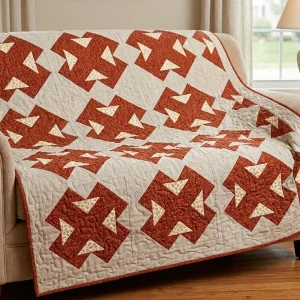
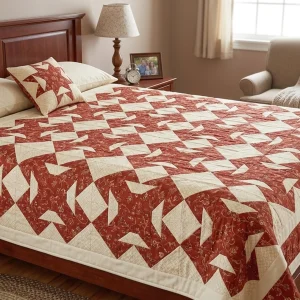
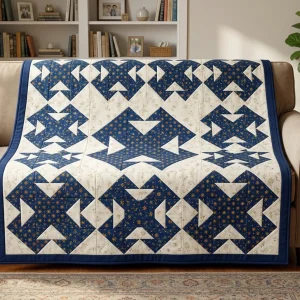
Integrating a block into your quilt backing is a sophisticated way to elevate your craft. It solves the practical problem of fabric yardage while allowing you to express your creativity on both sides of your project. As you embark on your next quilting journey, consider saving a few of your favorite scraps to create a unique surprise on the back. It is these thoughtful details that turn a simple blanket into a cherished family heirloom.
Connect with thousands of other passionate quilters to share your projects and find daily inspiration.