
The Rainbow Quilt block, designed by the legendary Jinny Beyer, is a striking geometric pattern that serves as a masterclass in color placement and precise piecing. This versatile design, officially known as Block 170 in Beyer’s extensive collection, is available as a free PDF pattern and is structured as a 4-patch design. Whether you are looking to create a small wall hanging or a large bed quilt, the pattern provides templates for 6-inch, 10-inch, and 12-inch finished blocks, allowing for incredible flexibility in your creative projects.
By utilizing a clever arrangement of triangles and squares, the Rainbow Quilt block creates a sense of movement and depth that mimics the natural spectrum of light. This project is particularly well-suited for quilters who enjoy working with a wide range of fabric tones or those who want to experiment with Beyer’s signature “color wash” technique. Much like the dynamic movement found in the Spinning Wheel quilt block, this pattern relies on the interaction of high-contrast values to truly make the design pop from the surface of the quilt.
Rainbow Quilt
The aesthetic appeal of the Rainbow Quilt lies in its mathematical balance and the way it encourages the eye to travel across the quilt top. While the block itself is a traditional patchwork design, the modern quilter can adapt it by using contemporary solids or bold prints to create a more minimalist look. For those who prefer a faster construction method, exploring techniques like those used in the Stripped Ease Quilt can help you understand how valu
e placement impacts the overall flow of a geometric layout.
Precision is the cornerstone of success when working with Jinny Beyer’s patterns. Because the block involves multiple seams meeting at central points, maintaining a consistent scant 1/4 inch seam allowance is essential. This ensures that the templates align perfectly and the points remain sharp after the block is fully assembled. If you have previously enjoyed the structured approach of the Leading Edge Quilt, you will find the logical progression of this pattern equally satisfying and rewarding.
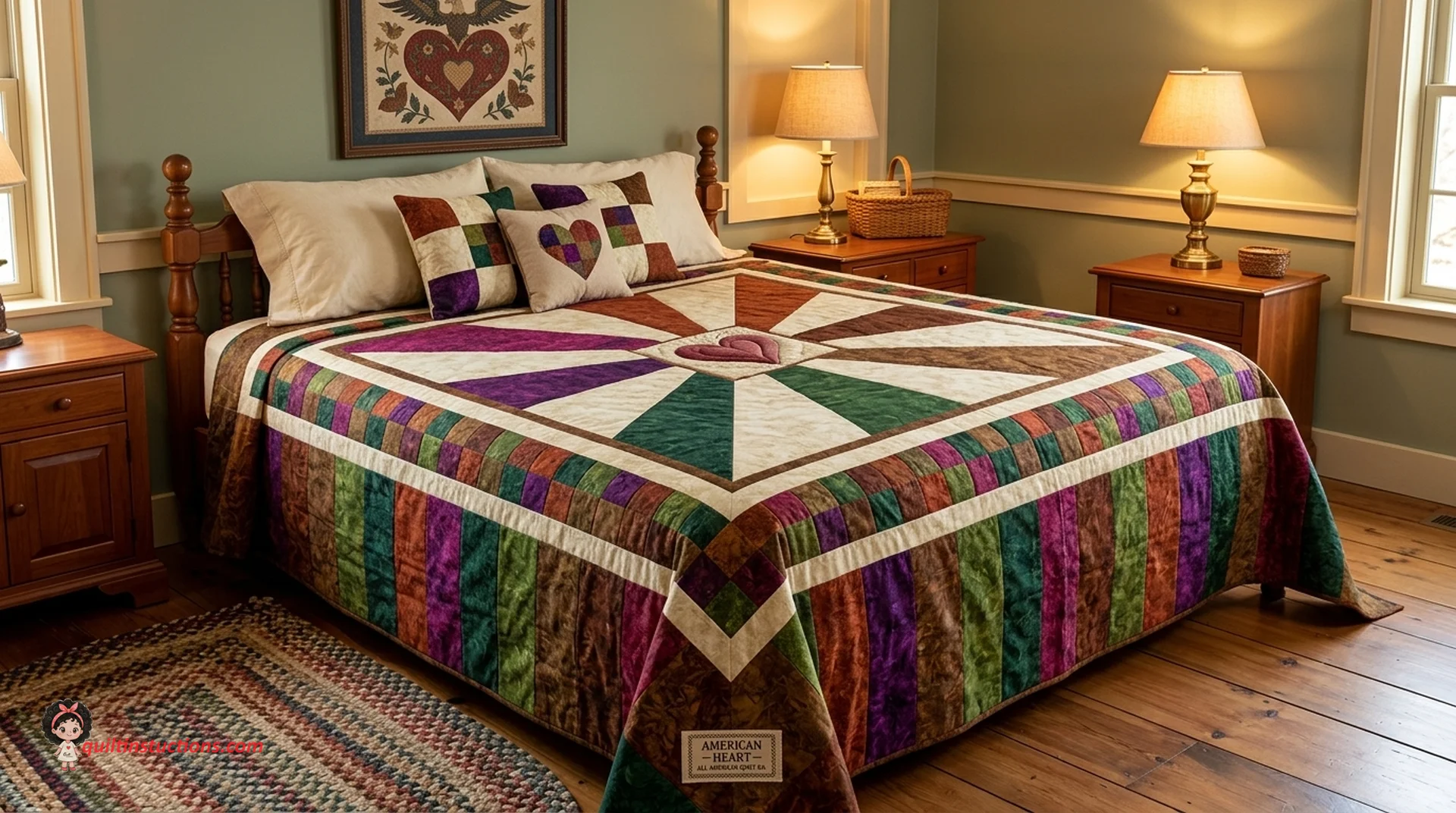
The vibrant selection of fabrics in this version of the block demonstrates how a warm-to-cool transition creates a glowing effect. As an expert quilter, I find that this specific layout is ideal for a centerpiece on a modern dining table or as a bold wall hanging in a sunlit craft room. The way the yellow and orange segments radiate from the center provides a cheerful energy that works beautifully throughout the year, especially when paired with a neutral grey or white background to let the colors shine.
Technical Notes and Fabric Selection
When preparing to sew the Rainbow Quilt, consider the weight and weave of your cotton fabrics. High-quality quilting cotton will provide the stability needed for the small triangular pieces found in the 6-inch version of the block. If you are intimidated by smaller pieces, starting with the 12-inch finished block size is a great way to build confidence while still achieving a complex-looking result. This block is an excellent candidate for a “block of the month” project where you can explore different color stories in each square.
For those looking to expand their skills, this pattern offers a fantastic opportunity to practice point-matching. If you find the geometric angles a bit challenging at first, you might want to take a break and try a more whimsical, seasonal project like the Simple Pumpkin Block to refresh your perspective before returning to the precision of the Rainbow design. Every block you sew is a stepping stone toward mastering the intricate balance of color and shape.
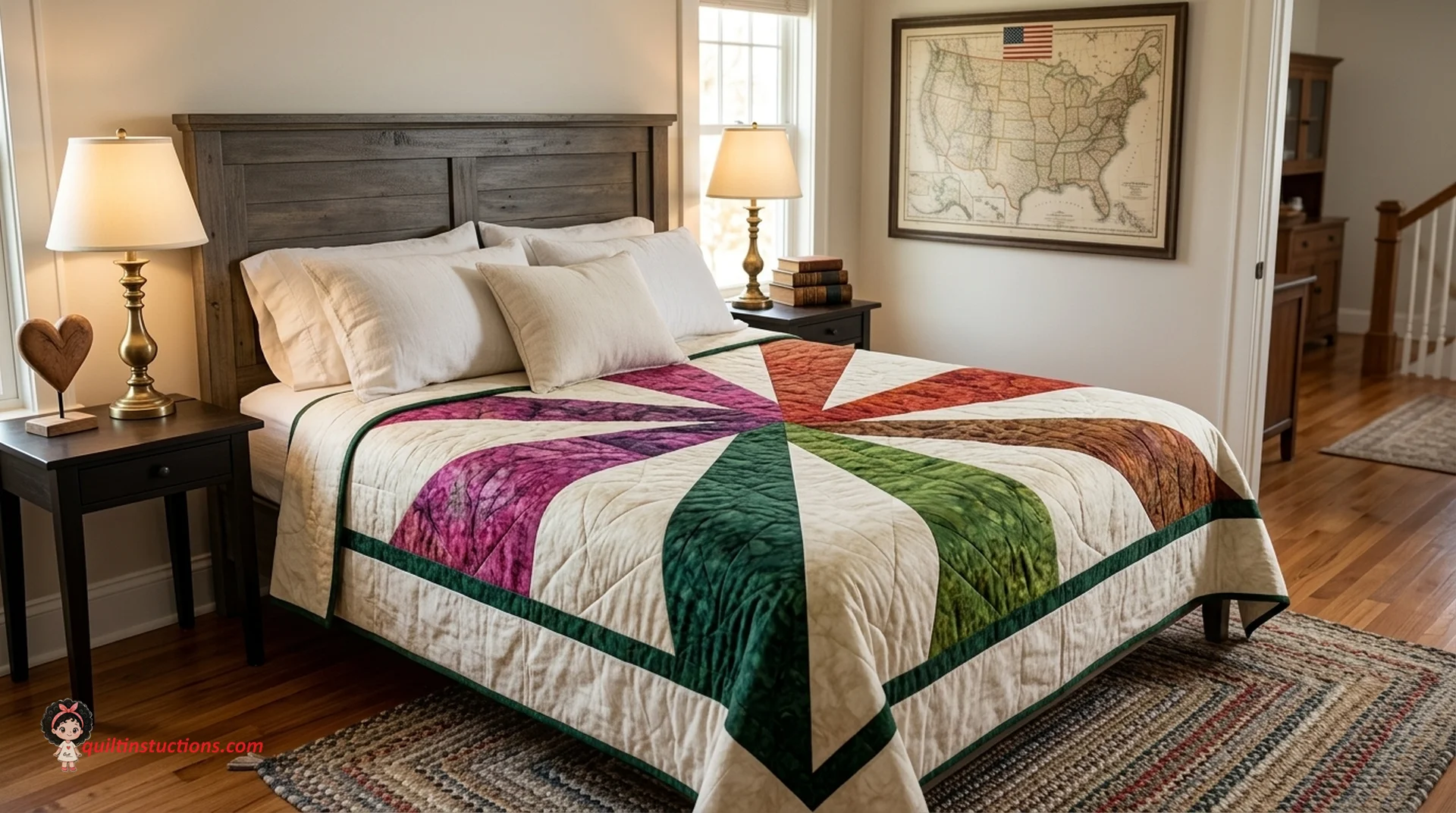
In this close-up view, the precision of the nesting seams is clearly visible, highlighting the importance of careful pressing. I love how the dark border print frames the internal spectrum, a styling tip that Jinny Beyer herself often advocates for to give a quilt a “finished” and professional look. This particular combination would look stunning draped over a dark leather armchair, where the deep tones of the fabric can complement the rich texture of the furniture while providing a pop of artistic flair.
Expert Tips:
- Use a sharp 80/12 or 75/11 needle to ensure clean punctures through multiple fabric layers.
- Press your seams open if you find the bulk at the center too difficult to manage with nesting.
- Always starch your fabric before cutting templates to prevent stretching on the bias edges.
Download the Pattern and Get Started
The official PDF includes the necessary templates and a basic assembly diagram to guide you through the process. Since this is a Jinny Beyer design, the focus is on the beauty of the geometry rather than complex specialized tools. You can print the templates at home, but ensure your printer settings are set to “Actual Size” to maintain the correct block dimensions.
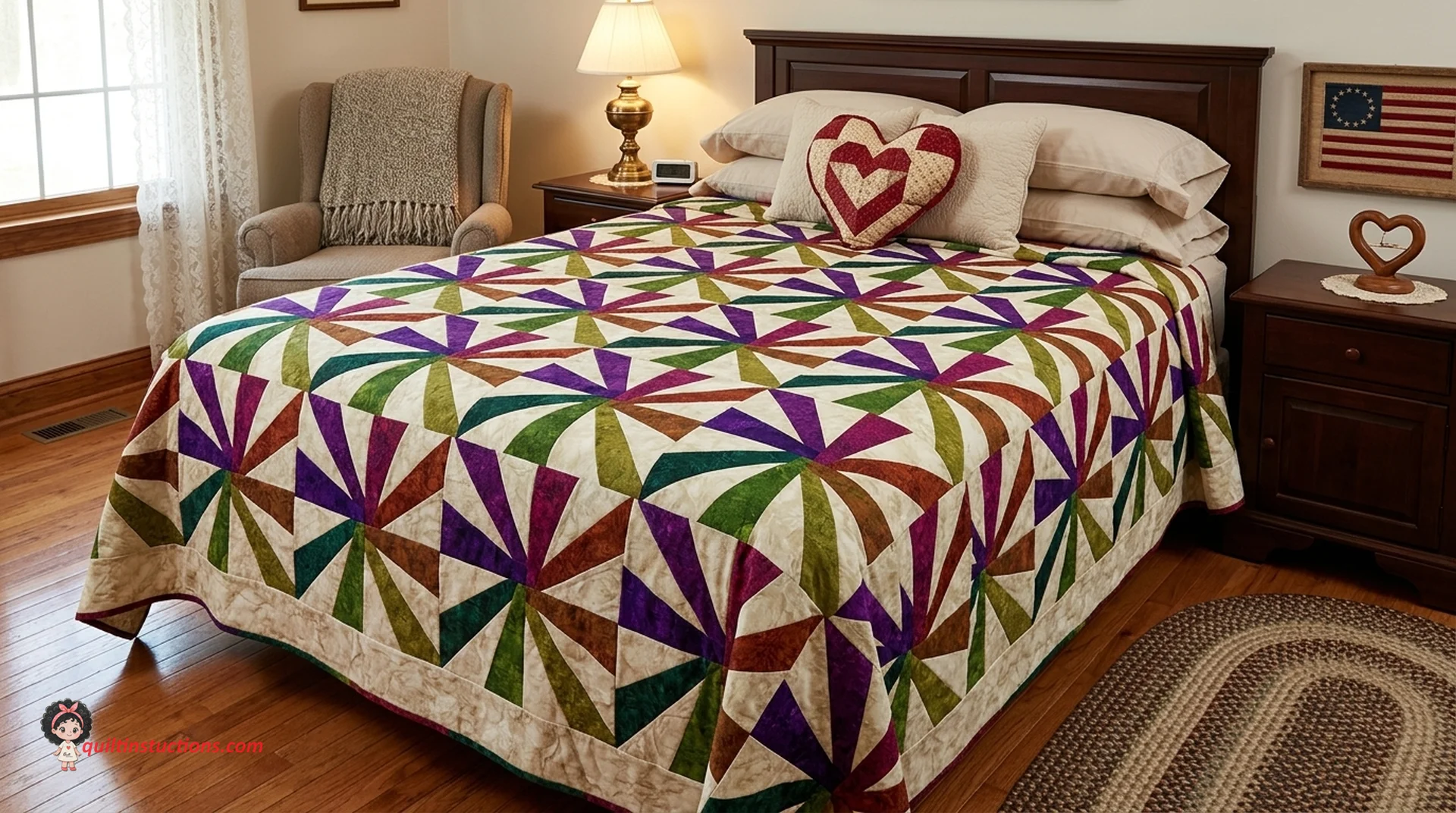
The secondary pattern that emerges when multiple blocks are joined is truly the “magic” of the Rainbow Quilt design. Looking at this layout, you can see how the corners of the blocks meet to create new geometric shapes, a hallmark of sophisticated quilt design. From my perspective, this layout is perfectly suited for a cozy bed quilt, as the repeating rhythm of the blocks creates a calming yet visually engaging environment that invites rest and relaxation.
Frequently Asked Questions
What is the skill level for this block?
The Rainbow Quilt block is best suited for intermediate quilters or confident beginners. It requires accurate template cutting and precise point-matching, which can be a fun challenge for those looking to grow their skills.
Can I use fat quarters for this project?
Absolutely! This block is very fat-quarter friendly. Since it uses multiple colors to create the “rainbow” effect, you can easily pull from a bundle or your scrap bin to achieve the desired look.
Is this block suitable for foundation paper piecing?
While the official instructions use traditional template piecing, experienced quilters can certainly adapt the design for foundation paper piecing (FPP) if they prefer that method for achieving perfect points.
Where to Buy Fabrics:
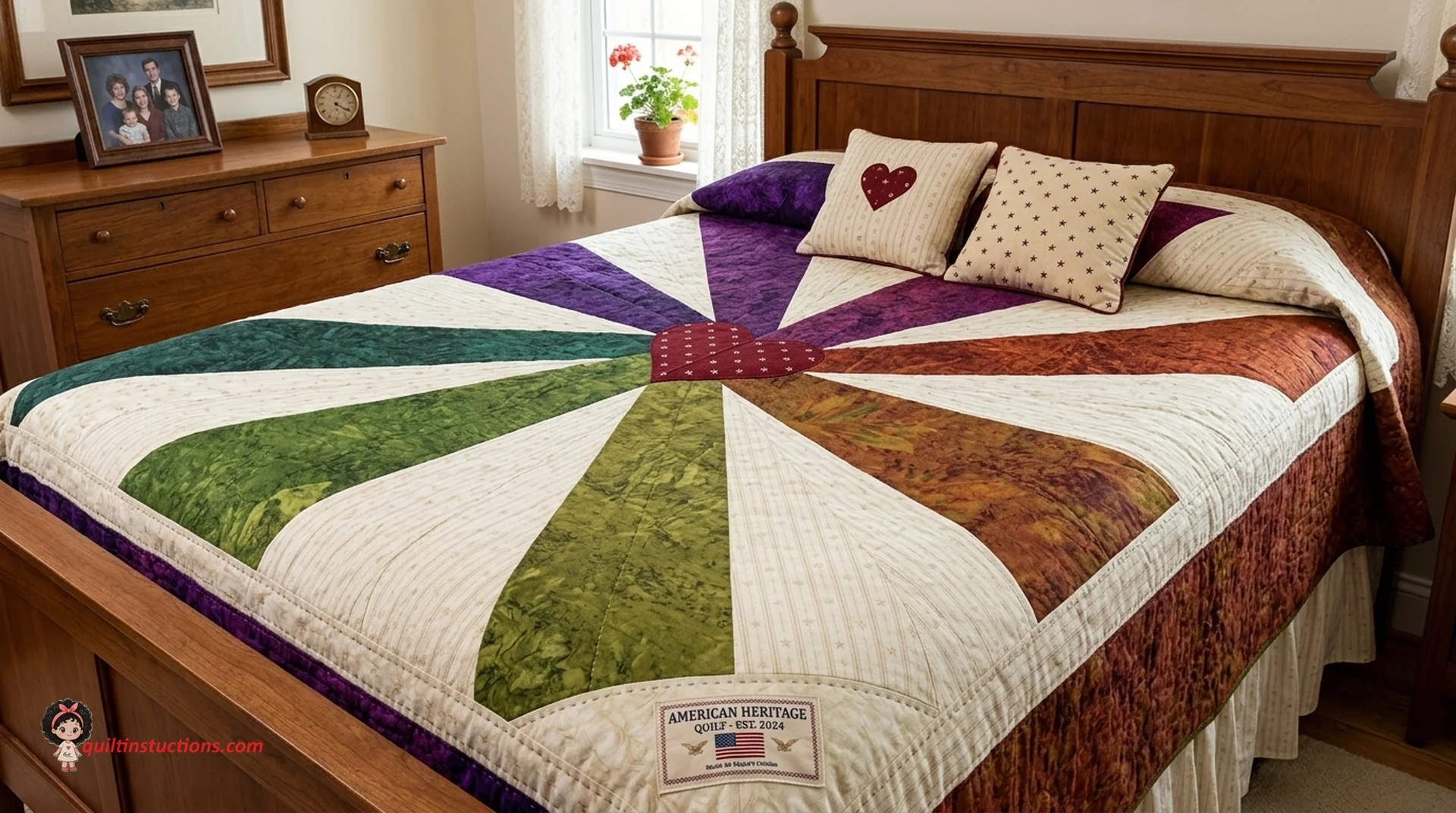
This final image highlights the beautiful interplay between the geometric lines and the subtle textures of the chosen fabrics. I particularly admire how the quilter chose a mix of mottled solids and tonal prints to add depth without distracting from the overall rainbow structure. This approach makes the quilt feel timeless and sophisticated, making it an ideal choice for a cherished family heirloom or a special anniversary gift that will be appreciated for generations to come.
About the Designer: Jinny Beyer
Jinny Beyer is one of the most recognized names in the quilting world. A pioneer in the industry, she is celebrated for her incredible eye for color and her ability to translate complex geometric concepts into accessible patterns. Her work often draws inspiration from her travels and her deep appreciation for traditional textile arts. Jinny has authored numerous books and developed her own signature fabric palettes, making her a true legend for modern and traditional quilters alike.
Facebook Community:
Join thousands of fellow quilters to share your progress, ask questions, and get inspired!
Creating a Rainbow Quilt block is more than just a sewing exercise; it is an exploration of how light and color interact within a structured environment. By following Jinny Beyer’s expert guidance and focusing on precision, you can create a piece of textile art that is both technically impressive and visually stunning. Whether you stick to the traditional spectrum or forge your own path with a custom palette, this pattern is sure to become a favorite in your quilting library.