
The Eyes March Block is a classic 12-inch finished quilt block designed by Marcia Hohn of Quilter’s Cache, characterized by its sharp geometric lines and rhythmic movement. This design relies on a precise 4×4 grid, making it an excellent project for quilters who enjoy working with half-square triangles (HSTs) and solid squares. Because it utilizes basic shapes to create a complex visual effect, it serves as a foundational piece for those mastering the art of symmetrical patchwork.
This specific layout is particularly favored for its ability to create secondary patterns when multiple blocks are joined together. Depending on your color choices, the “eyes” of the design can appear to rotate or radiate from the center, providing a sense of motion that is perfect for a focal point quilt. For those looking to expand their skills, this block offers a manageable challenge that yields professional-looking results without requiring specialized templates or advanced curved piecing techniques.
Eyes March Block
When analyzing the Eyes March Block, the first thing a seamstress notices is the balance between negative and positive space. The construction requires 3-1/2″ squares and 3-7/8″ squares cut once diagonally to form the necessary triangles. If you prefer modern methods, you can certainly use the two-at-a-time HST technique, starting with 4″ squares and trimming them down to a perfect 3-1/2″ unfinished size. This ensures that your points remain sharp and your seams align perfectly during the final assembly.
The versatility of this design allows it to fit into various aesthetic categories. While it looks stunning in a traditional two-tone palette, it also thrives in a “scrappy” environment. You can explore other free quilt patterns to see how similar 4×4 grids are utilized to maximize fabric usage. By varying the value—the lightness or darkness—of the fabrics, you can completely transform the block from a subtle background texture to a bold, graphic statement piece.
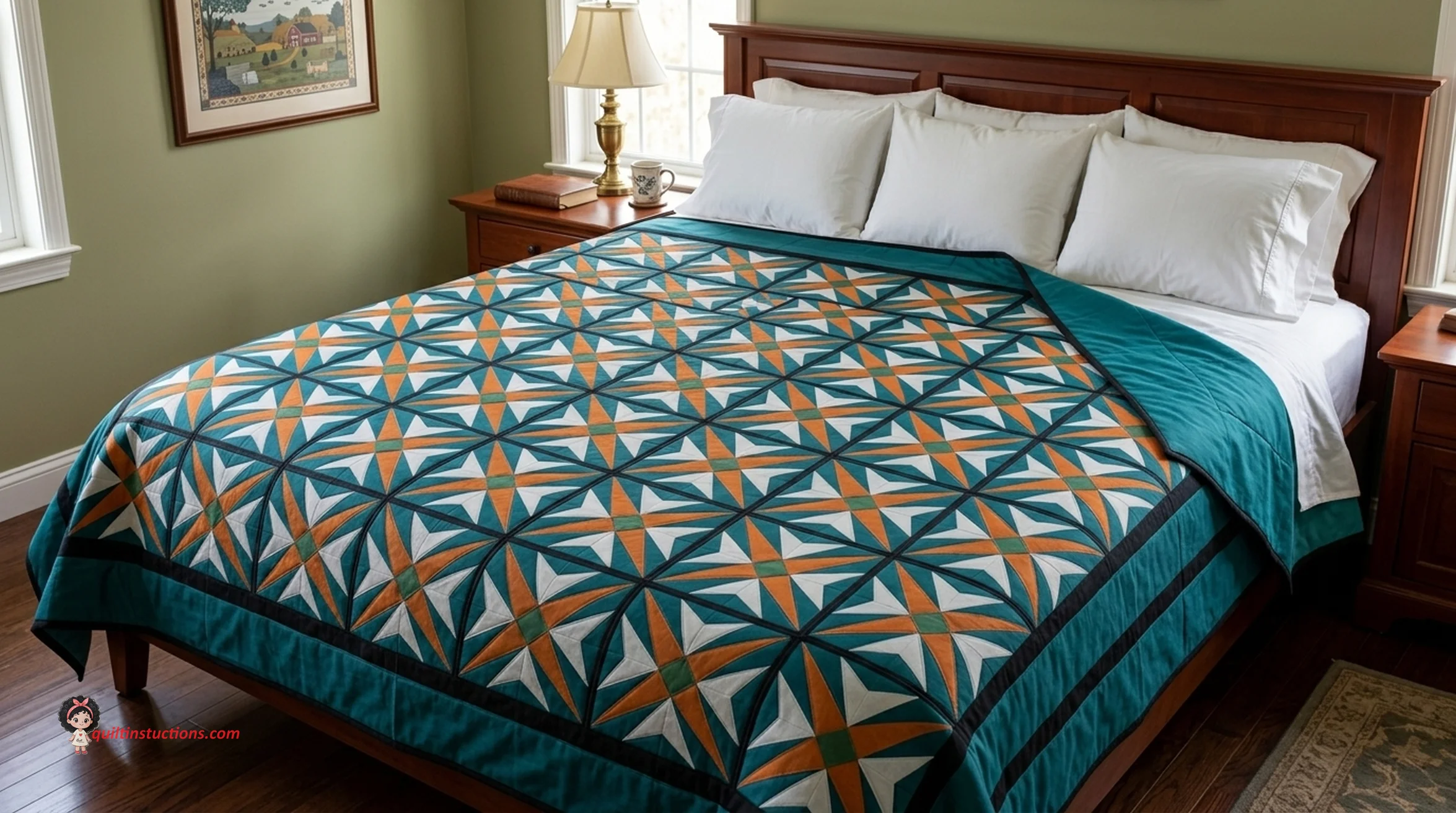
The replica shown above demonstrates a masterful use of high-contrast blue and white. In this interpretation, the cool tones create a crisp, wintry feel that would be exceptionally well-suited for a coastal cottage or a bright, airy guest room. The precision in the points highlights the importance of a consistent scant 1/4-inch seam allowance, which is vital for keeping the 12-inch finished size accurate across the entire quilt top.
Materials and Fabric Requirements
To complete one block, you will typically need two contrasting fabrics. For a 12-inch finished version, you should prepare your fabric pieces according to the standard 4×4 grid measurements. This involves cutting eight squares of your background fabric and several squares for your HST units. If you are planning a larger project, such as a queen-size bedspread, calculating the total yardage beforehand is essential to ensure dye lot consistency across your textiles.
If you are new to this style of assembly, I recommend reading a guide on how to quilt for beginners to familiarize yourself with pressing techniques. For the Eyes March Block, pressing your seams open or toward the darker fabric will help reduce bulk where multiple points meet in the center. This small technical detail makes the long-arm quilting process much smoother later on, as the needle won’t have to punch through heavy layers of fabric.
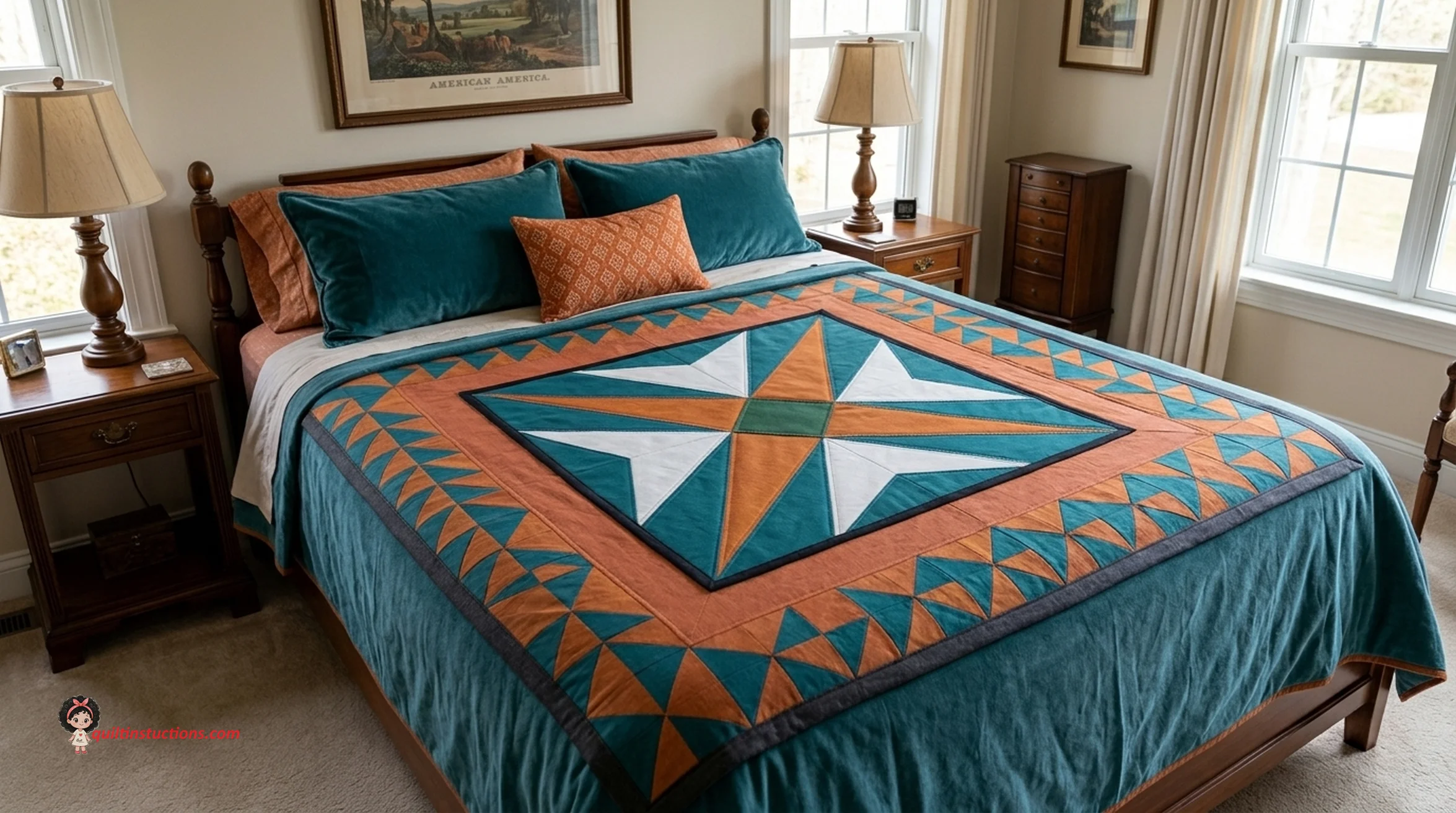
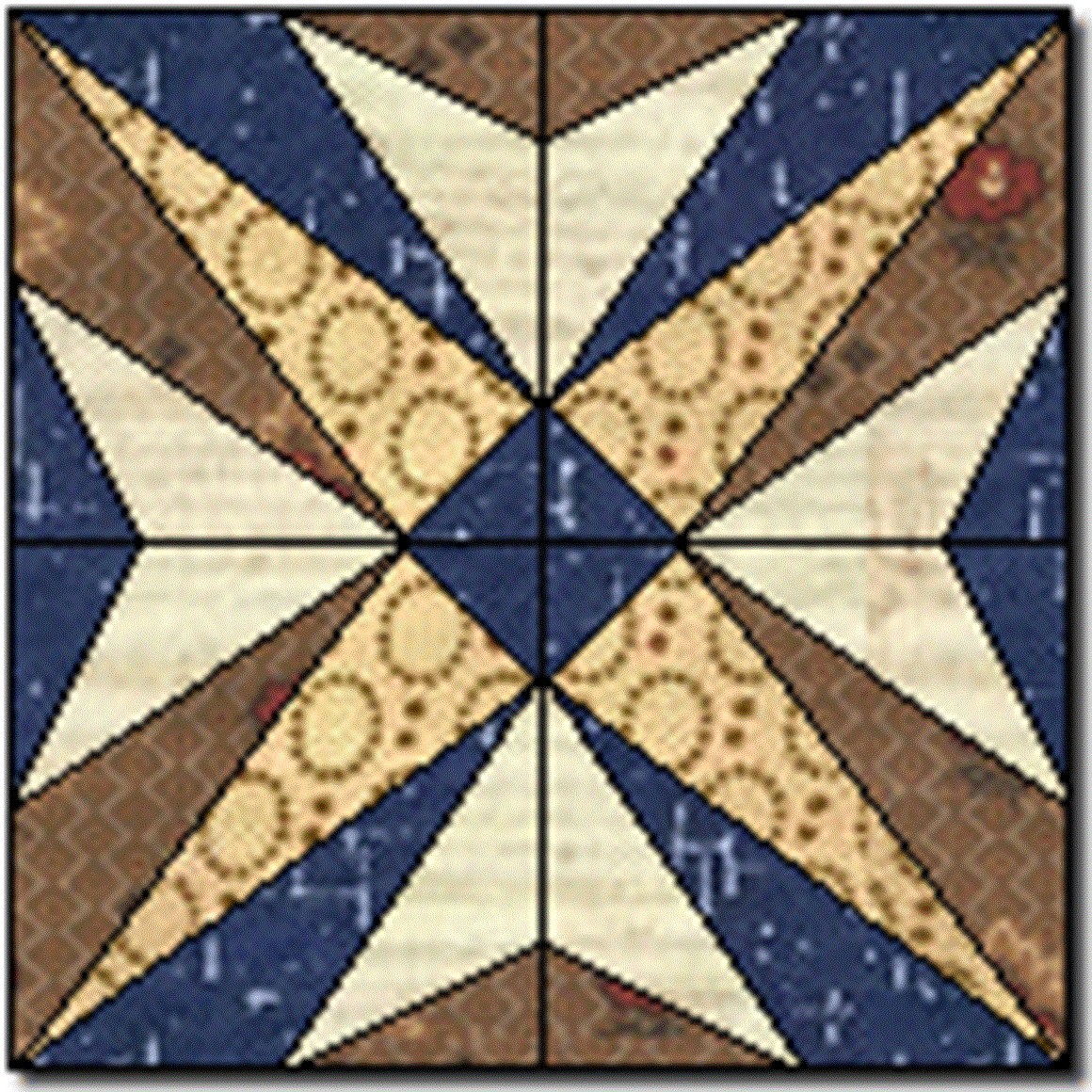
This second replica uses a warmer, more traditional palette that brings a cozy, rustic charm to the design. The earthy browns and creams make this an ideal choice for an autumn-themed throw or a library quilt. From an expert’s perspective, this color combination masks small imperfections better than high-contrast palettes, making it a very forgiving choice for those still perfecting their HST precision.
Technical Tips for Precision Piecing
Achieving perfect points in a block with this many intersections requires a bit of patience. I always suggest using a fine, high-quality thread to minimize seam bulk. When pinning your rows together, “nesting” your seams—where the seam of the top row is pressed in the opposite direction of the bottom row—will help you achieve that sought-after “lock” that keeps the fabric from shifting as it passes under the presser foot.
If you find that your blocks are coming out slightly smaller than 12-1/2 inches (unfinished), check your cutting accuracy first. Even a hair’s breadth of difference in your rotary cutting can lead to a significant discrepancy once sixteen units are joined. For more complex geometric projects, you might also enjoy exploring the disappearing hour glass quilt, which uses similar HST principles but adds a cutting and rotating step for an entirely different look.
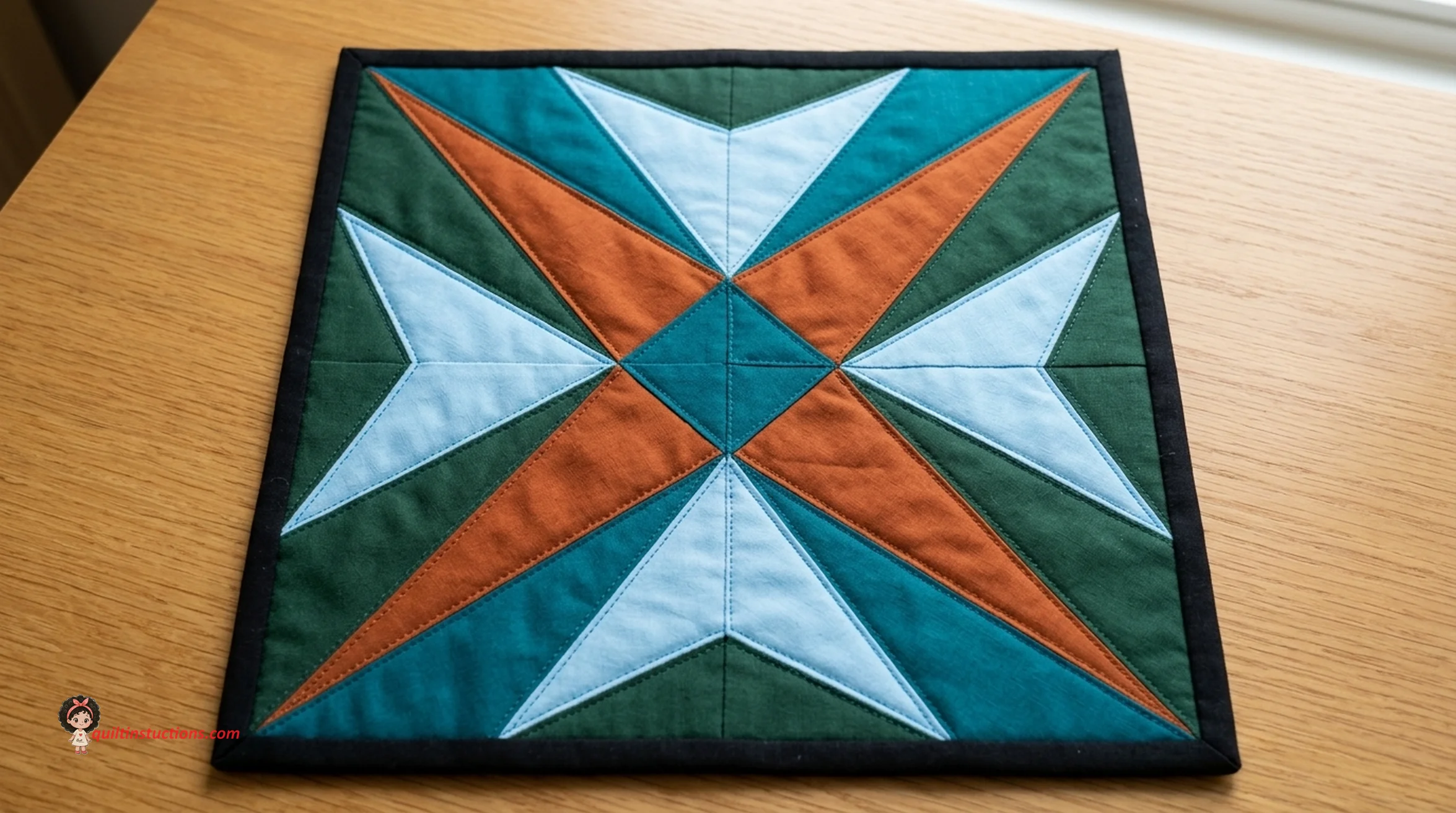
The third version presented here takes a modern turn with vibrant, saturated hues. This styling is perfect for a child’s bedroom or a contemporary living space where a pop of color is needed. The way the bright pinks and teals interact creates a playful energy. It serves as a reminder that traditional patterns like Marcia Hohn’s designs are timeless and can be reimagined for any generation simply by updating the fabric selection.
Where to Buy FabricsTo recreate these looks, we recommend sourcing high-quality cotton from these reputable retailers:
Frequently Asked Questions
What is the finished size of the Eyes March Block?
The standard pattern designed by Marcia Hohn produces a 12-inch finished square block. This size is ideal for mixing with other classic 12-inch blocks in a sampler quilt.
Is this pattern suitable for beginners?
Yes, it is classified as an intermediate-beginner pattern. While it requires basic knowledge of making half-square triangles, the layout is straightforward and does not involve difficult angles or Y-seams.
How many fabrics do I need?
The design works best with at least two contrasting fabrics (one light and one dark). However, you can use four or more fabrics to create a more complex, multi-tonal appearance.
Above is the original technical diagram from the designer. It provides the essential blueprint for the block’s construction, showing exactly how the HST units and squares should be oriented. Seeing the raw structure helps a quilter visualize the “bones” of the project, ensuring that the direction of the triangles is correct before the final sewing begins. It is a timeless reference for a truly iconic block.
Connect with fellow quilters, share your progress on the Eyes March Block, and find daily inspiration in our Facebook groups:
About the DesignerMarcia Hohn is the creative force behind Quilter’s Cache, one of the internet’s most enduring and beloved resources for free quilt patterns. Since the mid-1990s, Marcia has curated hundreds of block designs, offering clear instructions and technical diagrams to quilters worldwide. Her work emphasizes accessibility and the joy of traditional patchwork, making her a staple figure in the quilting community.
The Eyes March Block remains a testament to the power of simple shapes arranged with intent. Whether you choose to follow the traditional path or experiment with bold new colors, this pattern offers a rewarding experience from the first cut to the final stitch. We hope this review and the beautiful replicas from our collaborators inspire you to add this classic block to your next quilting project. Happy sewing!