
The half-square triangle is arguably the most essential building block in the world of quilting. Often abbreviated as HST, this simple square composed of two right-angled triangles allows for an infinite variety of geometric designs, from classic pinwheels to modern chevrons. Mastering the construction of these units is a rite of passage for every sewist, providing the foundation needed to tackle complex patterns with confidence and precision.
This specific guide provided by Connecting Threads focuses on the popular two-at-a-time method, which is widely considered the most accurate and efficient way to produce these units. By sewing two squares together and cutting them once, you create two identical half-square triangles with minimal fabric waste. The resource includes a comprehensive cutting chart that eliminates the guesswork, ensuring your units finish at the exact size required for your project.
Half-Square Triangle
The beauty of the half-square triangle lies in its versatility and the sheer number of traditional blocks it can form. Whether you are working on a Stripped Ease Quilt or a complex Navajo Seasons Quilt Pattern, you will likely find these units hidden within the design. The Connecting Threads guide simplifies the process by providing clear visual markers for where to sew and where to cut, which is vital for maintaining the integrity of the fabric’s grain.
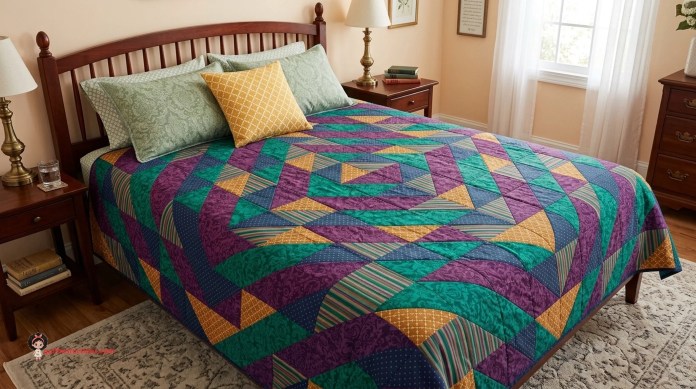
One of the most significant advantages of this instructional PDF is the included measurement chart. It covers everything from 1-inch finished squares to large 10-inch units. Beginners often struggle with the “plus 7/8 inch” rule or the “plus 1 inch” trimming rule; this guide provides the exact starting square sizes so you can focus on sewing rather than math. This level of detail is exactly what makes Connecting Threads a trusted name in the quilting community.
This image perfectly illustrates the crisp, high-contrast look that makes half-square triangles so effective. Using a deep navy against a clean white creates a timeless, nautical feel that works beautifully for a summer throw or a sophisticated wall hanging. Notice how the points meet precisely in the center; this is achieved by careful pressing and ensuring that the seam allowances are consistent. For a project like this, I recommend using a solid or a very subtle blender fabric to keep the geometric lines sharp and unobstructed.
Where to Buy FabricsTo achieve the best results with your half-square triangles, high-quality quilting cotton is a must. Here are our top recommendations for reliable online stores:
The Two-at-a-Time Method Explained
The technique begins with two fabric squares of equal size. You place them right sides together and draw a diagonal line from one corner to the opposite corner on the back of the lighter fabric. Instead of sewing directly on the line, you sew exactly 1/4 inch away from the line on both sides. This is a critical step; if your seam is too wide or too narrow, the final unit will not be square.
Once the sewing is complete, you cut the squares apart directly on the drawn line. This results in two triangles that, when opened and pressed, form two perfectly pieced squares. Many quilters prefer to cut their starting squares slightly larger (e.g., adding 1 inch instead of 7/8 inch) to allow for a “trim-down” phase. Trimming ensures that every single unit in your quilt is identical, which is the secret to getting those perfect points that every quilter dreams of.
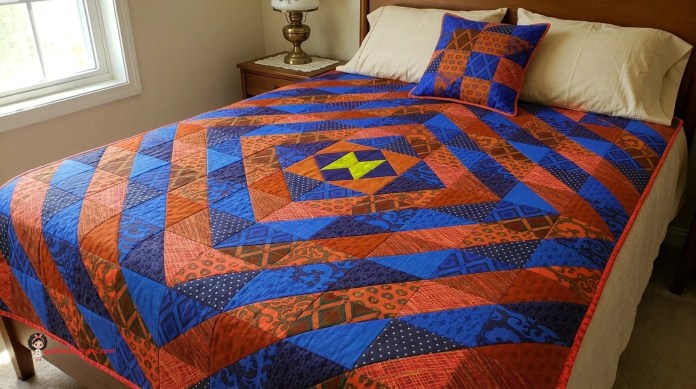
In this image, you can see the essential step of squaring up the unit. Using a square acrylic ruler with a 45-degree line is the most efficient way to ensure your half-square triangle is perfect. By aligning the diagonal line of the ruler with the seam of the fabric, you ensure the block is centered. This precision is what separates a beginner project from a professional-looking quilt. I always suggest doing this on a rotating cutting mat to save time and reduce the risk of fabric shifting.
Expert Tips for Perfect HSTs
- Starch is your friend: Spraying your fabric with starch before cutting makes the cotton stiffer and less likely to stretch along the bias edge.
- Use a Scant 1/4 inch: Since the fabric “steals” a tiny bit of space when you fold it over the seam, a scant seam allowance helps maintain the final size.
- Press, don’t iron: Set your iron down and lift it up. Sliding the iron can distort the diagonal seam and lead to “wonky” blocks.
- Nest your seams: When joining two HSTs together, press one to the dark side and the other to the light side so the seams “lock” together.
Design Possibilities with HST Units
Once you have a stack of finished half-square triangles, the design possibilities are endless. If you arrange them with all the dark triangles facing the center, you create a classic Broken Dishes block. If you rotate them so they “chase” each other, you form a Pinwheel. These units are also the core component of the Twirling Stars Quilt Pattern, where the rotation creates a sense of dynamic movement across the surface of the quilt.
For those interested in more modern aesthetics, arranging HSTs in rows can create bold chevrons or large-scale geometric diamonds. You can even combine them with solid squares to create an Easy Bargello Quilt Pattern effect or incorporate them into a Simple Pumpkin Block Tutorial for seasonal decor. Because they are so fundamental, learning to make them quickly and accurately will speed up almost every future project you undertake.
Important NoteAlways double-check the “Finished Size” versus the “Unfinished Size.” The finished size is what the block will measure once it is sewn into the quilt. The unfinished size includes the 1/4 inch seam allowance on all sides. Trimming to the unfinished size is crucial for a flat quilt top.

This final unit shows the goal: clean lines and a perfect square. The balance between the printed fabric and the solid background is excellent here. This type of block is incredibly sturdy because the seam runs diagonally, providing structural integrity to the quilt. I would use a block like this in a repeating pattern for a cozy nursery quilt or even as a decorative border for a larger 100 Modern Patterns Quilt project.
Common Questions About Half-Square Triangles
What is the best way to press HST seams?
Most traditional patterns suggest pressing toward the darker fabric to prevent the seam allowance from showing through the lighter fabric. However, “pressing open” is becoming more popular in modern quilting to reduce bulk at the intersections where multiple points meet.
How do I stop my points from getting cut off?
When sewing your units together, look for the “X” created by the previous seams on the back of your block. If you sew directly through the center of that “X,” your point will be perfectly preserved on the front of the quilt.
Can I make more than two HSTs at a time?
Yes, there are methods for making four-at-a-time (sewing around the perimeter of a square) and eight-at-a-time (sewing along both sides of two diagonal lines). However, the two-at-a-time method featured in this guide is often preferred for beginners because it involves less bias stretching.
About the Designer: Connecting ThreadsConnecting Threads is an industry-leading quilting company based in the United States, known for providing high-quality cotton fabrics, threads, and tools at accessible prices. For over 20 years, they have fostered a vibrant community of makers by designing exclusive fabric collections and providing educational resources. Their mission is to make quilting an affordable and enjoyable craft for everyone, regardless of skill level.
Join the Quilting CommunityShare your progress and get advice from thousands of fellow quilters in our dedicated Facebook groups:
Whether you are making your first quilt or your fiftieth, the half-square triangle remains a reliable and beautiful friend. By using this guide from Connecting Threads, you are ensuring that your fundamental skills are built on a solid foundation of accuracy and clarity. We hope this instructional resource inspires you to experiment with new layouts and color palettes in your next creative endeavor. Happy sewing!