
The Attic Window Quilt is one of the most beloved traditional designs in the quilting world, primarily because of its unique ability to create a three-dimensional illusion. By using clever fabric placement and contrasting values, quilters can transform a flat surface into a series of realistic window frames looking out onto a landscape or a vibrant scene. This block is an exceptional choice for those looking to highlight large-scale prints, “fussy cut” specific motifs, or even utilize fabric panels that deserve a sophisticated presentation.
Historically, this pattern has served as a staple for quilters who want to add depth and architectural interest to their work without overly complex piecing. The construction typically involves a central square, representing the view, paired with two framing strips—one for the side and one for the bottom—that meet at a mitered or angled seam to mimic a window sill. When organized correctly, the interplay between light and shadow on these framing pieces creates a convincing perspective that draws the eye inward.
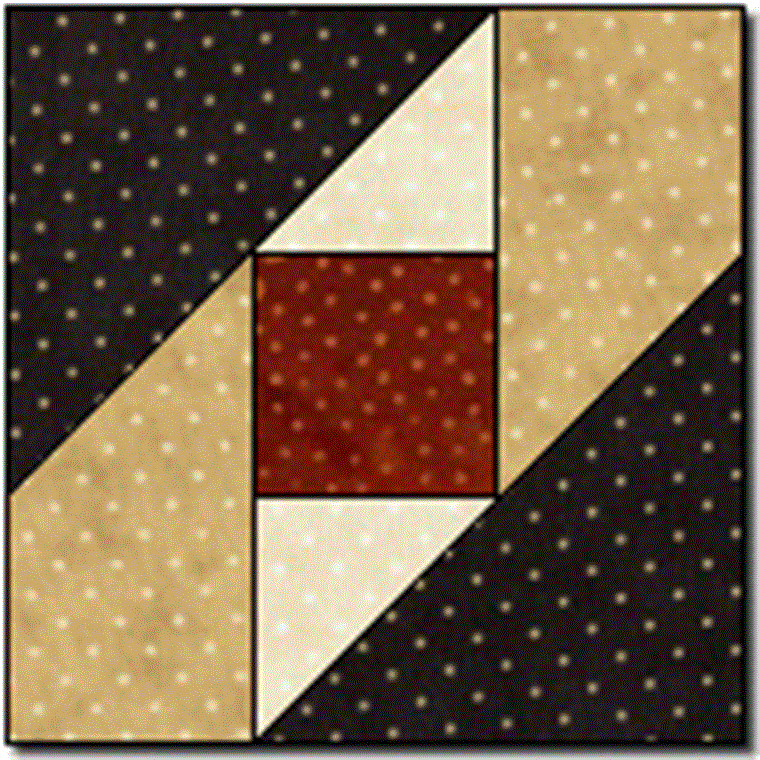
Attic Window Block
The versatility of the Atti
c Window design allows it to adapt to various artistic styles, from modern minimalist aesthetics to classic floral arrangements. Many quilters find that this block acts as a perfect frame for holiday-themed fabrics, such as snowy winter scenes or autumn foliage, effectively turning a simple quilt into a “gallery” of seasonal snapshots. Because the frame strips are relatively narrow, even small remnants of high-quality solids or tonals can be used to create the necessary contrast for the shadow effect.
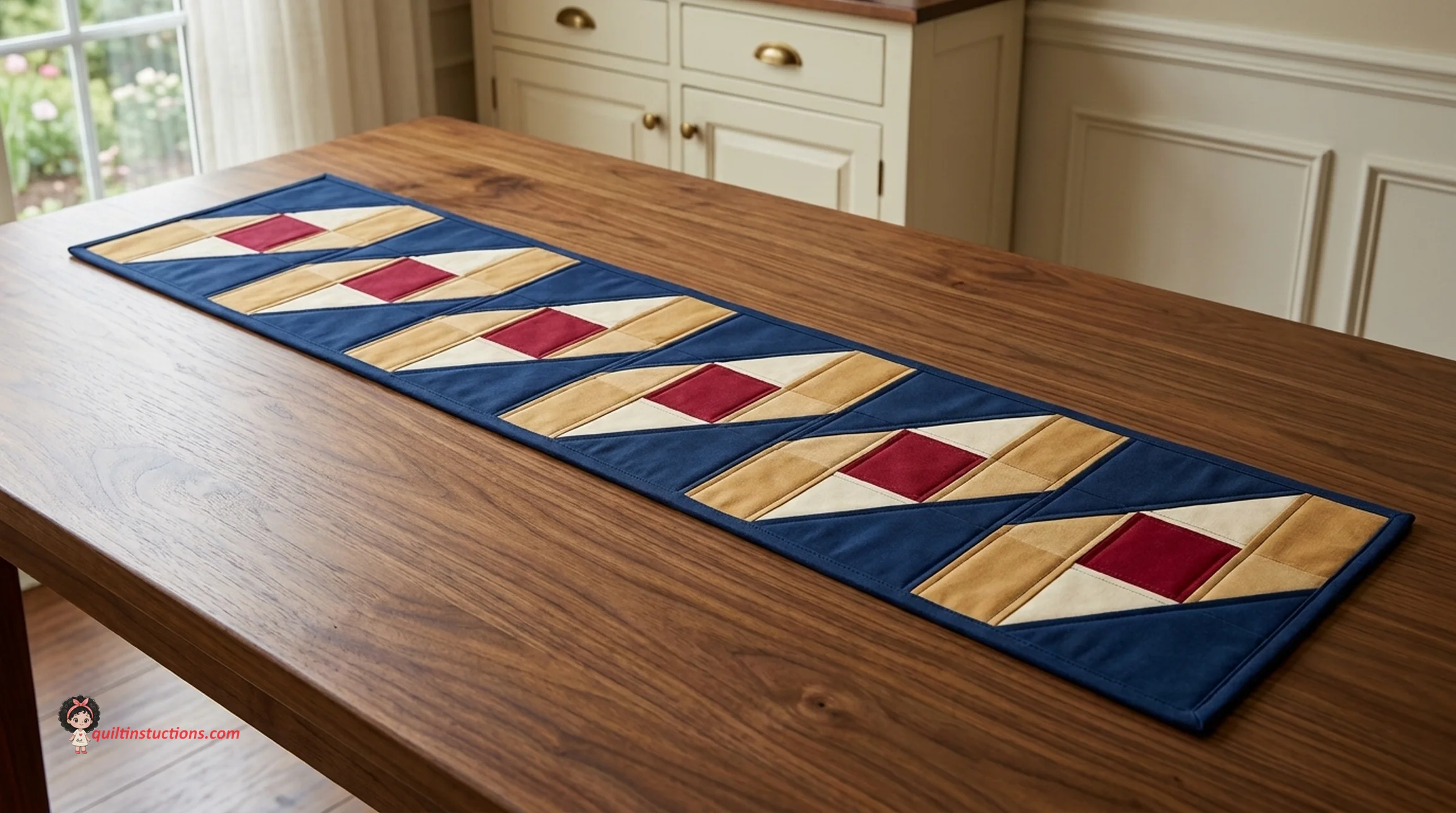
Choosing the right fabrics for your frame is critical to the success of the 3D illusion. Generally, you will want a lighter fabric for the “top” of the sill and a darker fabric for the “side” of the frame, or vice versa, depending on where you imagine your light source to be. This intentional use of value mimics how light naturally hits a recessed window, providing that signature pop that makes the block so memorable and visually engaging.
The aesthetic of this specific block is truly striking, as it utilizes a rich contrast between the focal print and the surrounding “shadow” fabrics. I find that using a deep charcoal or a crisp navy for the side frame adds a modern edge, while a warmer cream for the sill makes the entire piece feel more traditional and cozy. This block would look absolutely stunning as a centerpiece for a study or library, perhaps draped over a leather armchair to emphasize its architectural structure.
Technical Considerations for Construction
Precision is your best friend when assembling these units. Since the 3D effect relies on the clean lines of the “window,” ensuring your seams are straight and your corners are sharp is paramount. Many traditional versions of this block use a mitered seam at the corner where the two frame strips meet. While this may seem intimidating to beginners, it is an excellent skill-building exercise that results in a professional, high-end finish that standard straight seams cannot quite replicate.
If you are just starting out with traditional quilt blocks, you might consider practicing your nesting seams technique to ensure that the junctions between the window panes remain flat and crisp. For those looking for more inspiration on how to combine these blocks with other elements, exploring a comprehensive pattern guide can offer fresh perspectives on layout and sashing. Remember that the “view” fabric does all the heavy lifting, so don’t be afraid to choose a bold, large-scale floral or a scenic panel that tells a story.
Expert Tips for Success:
- Consistent Light Source: Always place your light and dark frame strips in the same orientation across all blocks to maintain a consistent “sunlight” effect throughout the quilt.
- Fussy Cutting: Use a clear acrylic template to center specific motifs in your window panes for a more intentional look.
- Pressing: Press your seams toward the darker frame fabric to prevent shadowing and to help the block lay perfectly flat.
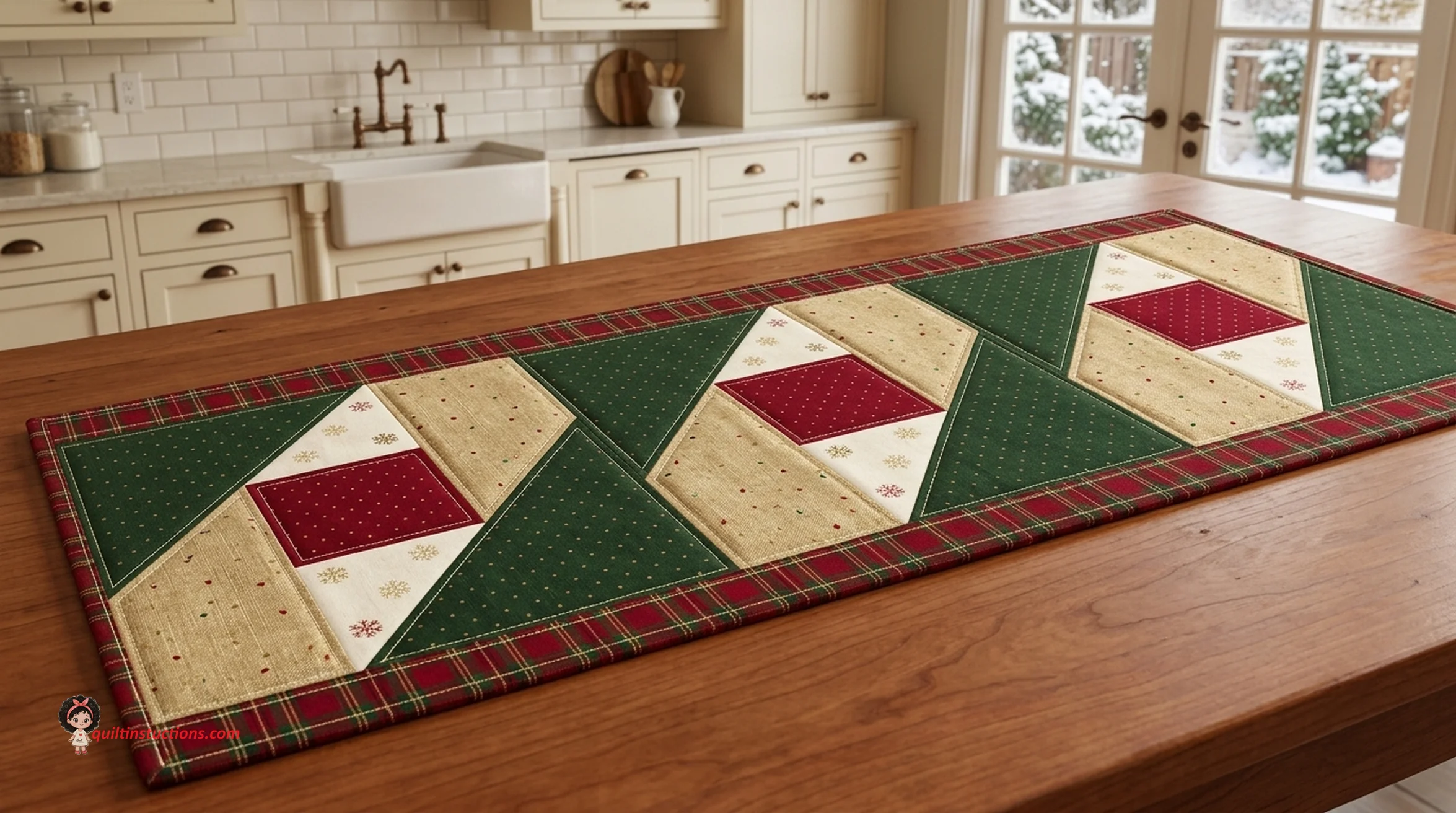
Looking at this variation, the warm tones suggest a wonderful seasonal application. The way the light reflects off the sills creates a sense of warmth, making it ideal for a seasonal wall hanging or a cozy lap quilt for the autumn months. As a professional seamstress, I always recommend choosing a high-quality thread that matches your frame fabrics to ensure the structural seams remain invisible, allowing the “window” illusion to take center stage without distraction.
Pattern Details and Download
This pattern, designed by the talented Marcia Hohn, provides a clear roadmap for achieving this classic look. Whether you are aiming for a small wall hanging or a large bed quilt, the principles of the Attic Window remain the same. Below you will find the links to the official pattern instructions to guide you through each cut and stitch.
Finished Quilt Size: Check the PDF for specific dimensions based on block count.
Skill Level: Intermediate (due to angled/mitered seams).
Frequently Asked Questions
Can I make this block without mitered corners?
Yes, there are simplified versions that use a half-square triangle (HST) at the corner of the frame to achieve a similar look without the technical challenge of a true mitered seam.
What is the best fabric for the “view”?
Scenic prints, landscapes, or large floral motifs work best. Many quilters also use “cheater panels” and cut them into squares to create a cohesive scene across the entire quilt top.
How much contrast do I really need?
For the 3D effect to work, the contrast between the side and bottom frame pieces should be distinct. If they are too similar in value, the “window” will look flat rather than recessed.
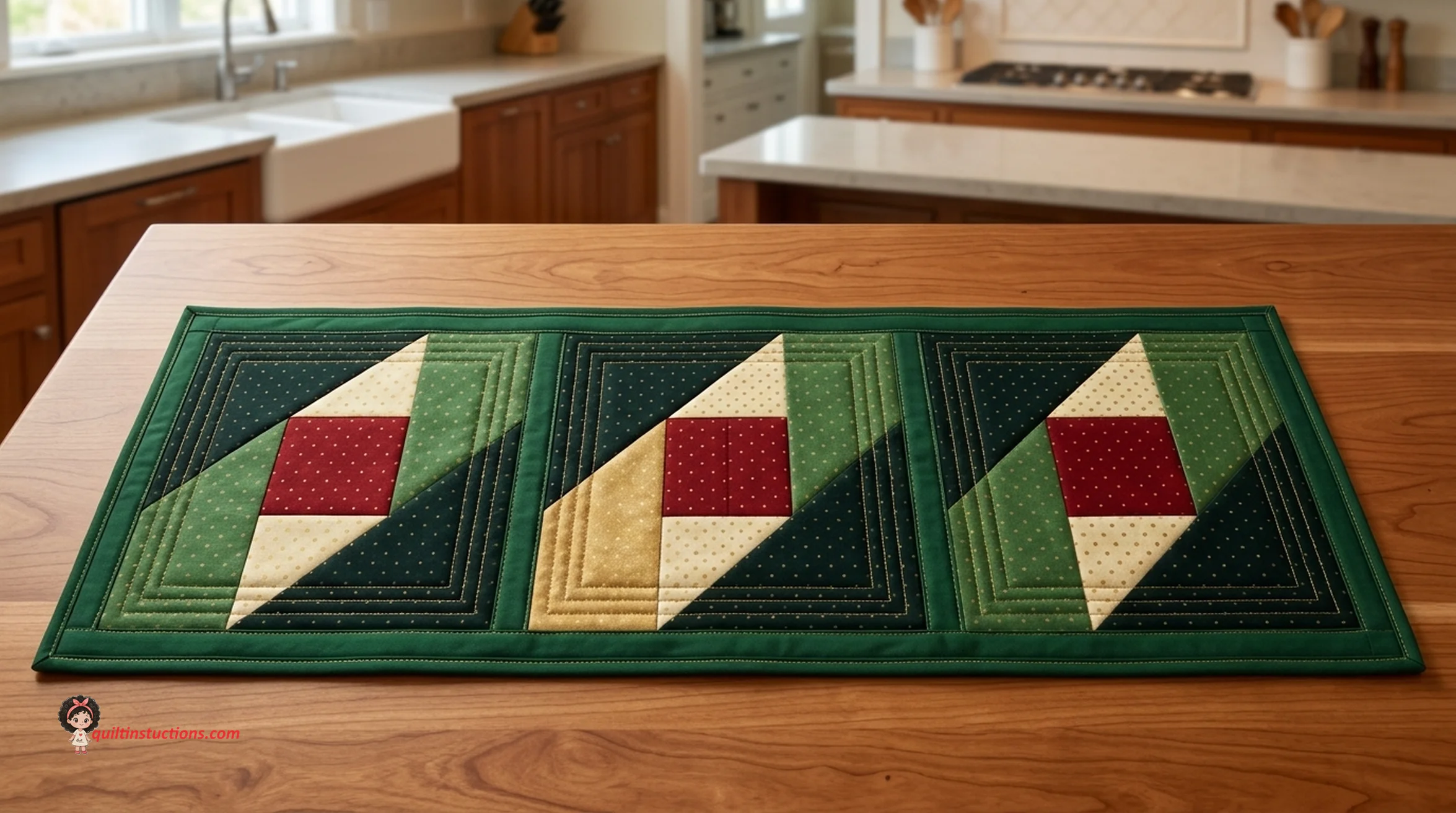
In this detailed view, you can see how the fabric texture plays a role in the realism of the block. Choosing a fabric with a slight “wood grain” or linear texture for the frame pieces can enhance the architectural feel of the window. I personally love seeing this block used in a monochromatic palette of blues and greys, which creates a serene, rainy-day atmosphere that is perfect for a bedroom setting.
Where to Buy Fabrics:
Marcia Hohn is the creative force behind Quilter’s Cache, a legendary resource in the quilting community. With a passion for preserving traditional patterns while making them accessible to modern quilters, Marcia has documented hundreds of blocks with clear, concise instructions. Her work continues to inspire generations of makers to explore the geometry and artistry of fabric.Visit Designer Website
Share your progress and get inspired by fellow quilters in our favorite Facebook groups!
The Attic Window block remains a testament to the power of simple geometry and thoughtful color selection. Whether you are a seasoned quilter looking for a sophisticated way to use a favorite panel or a newcomer eager to master the art of mitered seams, this pattern offers endless creative possibilities. We hope this guide serves as a helpful companion on your journey to creating your own beautiful “view” through the art of quilting.